 (5).png)
Hybrid SUVs Dominate EV Interest in KBB's 2026 Shopper Data, Signaling Market Shift
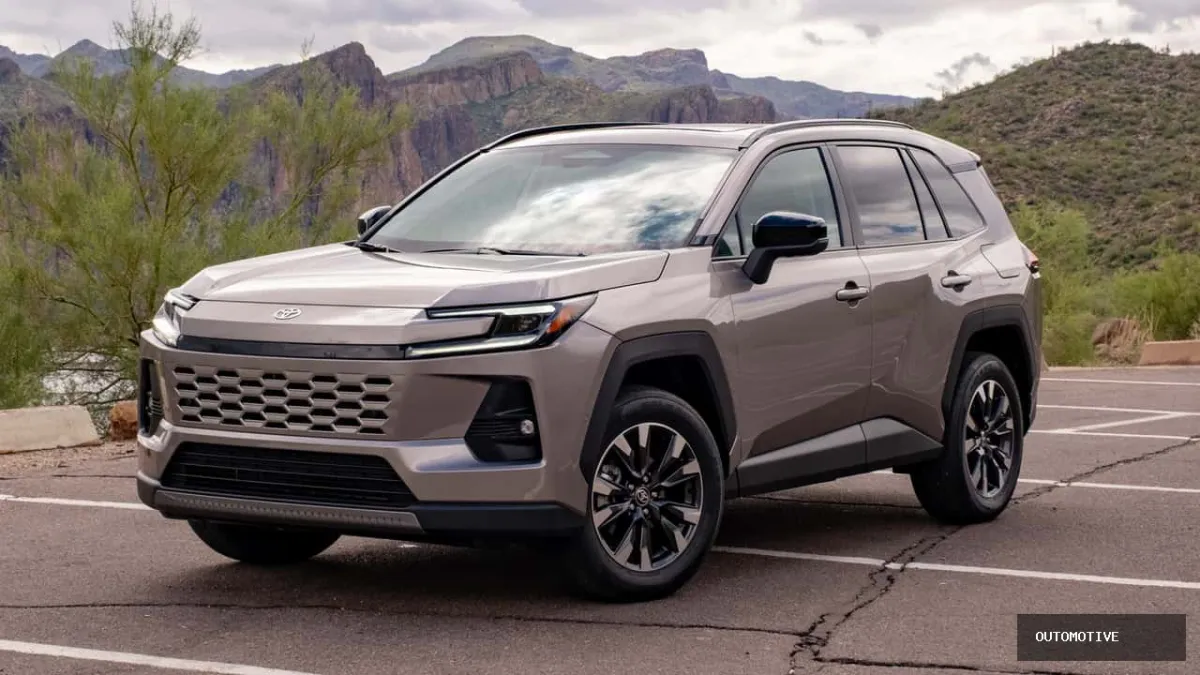
The automotive landscape is in a constant state of flux, driven by technological advancements, evolving consumer priorities, and economic realities. A recent snapshot from Kelley Blue Book’s (KBB) 2026 Brand Watch report has revealed a compelling shift in consumer preference, indicating that hybrid SUVs are significantly outperforming electric vehicles (EVs) in gaining shopper interest. This pivotal data suggests a recalibration of buyer expectations, with value, convenience, and familiar utility emerging as the primary drivers behind this pronounced trend.
For years, the narrative surrounding the future of personal transportation has been heavily centered on the rapid adoption of electric vehicles. Automakers have invested billions, governments have offered incentives, and the media has often highlighted the environmental benefits and cutting-edge performance of EVs. However, KBB’s latest findings paint a more nuanced picture for the mid-decade outlook, underscoring a pragmatic turn among prospective car buyers who, when looking towards 2026, are increasingly gravitating towards the proven benefits of hybrid SUV technology.
The Shifting Tides: Hybrids Ascend Over EVs
Kelley Blue Book’s Brand Watch is a comprehensive survey that tracks consumer perceptions and shopping behaviors across various automotive segments. The 2026 data, in particular, offers a forward-looking perspective on what buyers are considering for their next vehicle purchase in the coming years. The headline finding is unmistakable: hybrid SUVs are capturing a larger share of consumer attention compared to their fully electric counterparts. This isn't merely a minor fluctuation; it represents a significant swing in sentiment that could have profound implications for automotive manufacturing strategies and market dynamics.
The initial enthusiasm for EVs was undeniable. Early adopters were drawn to the promise of zero emissions, lower running costs (electricity vs. gasoline), and often exhilarating performance. However, as the market matures, a broader demographic of buyers is entering the consideration phase, and their concerns extend beyond just environmental impact or acceleration. These mainstream buyers are evaluating vehicles through a lens of practicality, affordability, and seamless integration into their daily lives.
Why Hybrid SUVs Are Winning: A Trifecta of Value, Convenience, and Utility
The reasons behind the hybrid SUV's resurgence in popularity are multifaceted, addressing key areas where EVs currently face challenges:
Value Proposition: Balancing Cost and Efficiency
One of the most significant factors influencing consumer decisions is value. While EVs promise lower 'fuel' costs, their higher upfront purchase price often acts as a barrier for many. Hybrid SUVs, on the other hand, typically bridge the gap between traditional gasoline vehicles and EVs. They offer enhanced fuel efficiency compared to conventional SUVs, leading to significant savings at the pump, without the premium price tag often associated with pure electric models. Furthermore, the total cost of ownership, including insurance and potential long-term battery replacement concerns for EVs, can make hybrids appear as a more financially prudent choice for many families and individuals.
Unmatched Convenience: Refueling vs. Recharging
The convenience factor is another critical differentiator. Despite growing charging infrastructure, range anxiety and the time required for recharging remain significant concerns for many potential EV buyers. A hybrid SUV offers the best of both worlds: improved fuel economy for daily commutes and the familiar, quick refueling process of a gasoline vehicle for longer journeys. This eliminates the need to plan routes around charging stations or worry about charger availability, especially in rural areas or during peak travel times. The seamless experience of a hybrid, requiring no major lifestyle adjustments for refueling, resonates strongly with consumers seeking simplicity.
Familiar Utility: The Enduring Appeal of SUVs
SUVs have dominated vehicle sales for years due to their versatility, spacious interiors, higher driving position, and often superior cargo capacity. Hybrid SUVs combine these beloved attributes with improved efficiency. Buyers appreciate the practical utility of an SUV – its ability to haul families, groceries, and gear, navigate various road conditions, and potentially tow – without the guilt of high fuel consumption. For many, an EV SUV might offer similar utility, but the added layer of range anxiety or charging logistics can detract from the overall convenience, making the hybrid variant a more appealing, 'no-compromise' option.
Addressing the EV Challenge: Bridging the Gap
While hybrid SUVs are currently enjoying a surge in interest, it doesn't signify the demise of the EV market. Rather, it highlights the areas where electric vehicles need to evolve to capture a broader mainstream audience. Automakers and infrastructure providers must continue to innovate in reducing EV purchase prices, expanding and standardizing charging networks, and improving charging speeds. Building greater consumer confidence in battery longevity and resale value will also be crucial.
Government incentives, while helpful, often aren't enough to overcome fundamental concerns about cost and convenience for a significant portion of the buying public. The current market suggests that a 'one-size-fits-all' approach to electrification may be premature, and that bridging technologies like hybrids play a vital role in transitioning consumers towards more sustainable transportation options at a pace that aligns with their practical needs and economic realities.
Implications for Automakers and the Future Market
This KBB data serves as a critical signal for automotive manufacturers. Those who have heavily bet on an immediate, rapid transition to pure EVs may need to re-evaluate their product pipelines and marketing strategies. Increased investment in hybrid powertrains, particularly for popular SUV segments, appears to be a prudent course of action. The market is clearly indicating a strong demand for efficient, practical, and convenient vehicles that don't require significant changes to established habits.
The automotive future will undoubtedly be electric, but the path to get there is proving to be more winding than initially projected. Hybrid SUVs are emerging as a crucial stepping stone, offering consumers a compelling blend of sustainability, performance, and everyday usability. Their current dominance in KBB’s 2026 shopper data underscores their critical role in the evolving automotive ecosystem, demonstrating that for many, the perfect balance of innovation and practicality lies not in pure electricity, but in the intelligent synergy of hybrid technology.
Diskusi (3)
Tinggalkan Komentar