 (5).png)
Mercedes-AMG Owners Report Seat Logos Causing Burns: A Deep Dive into Safety Concerns and Legal Action
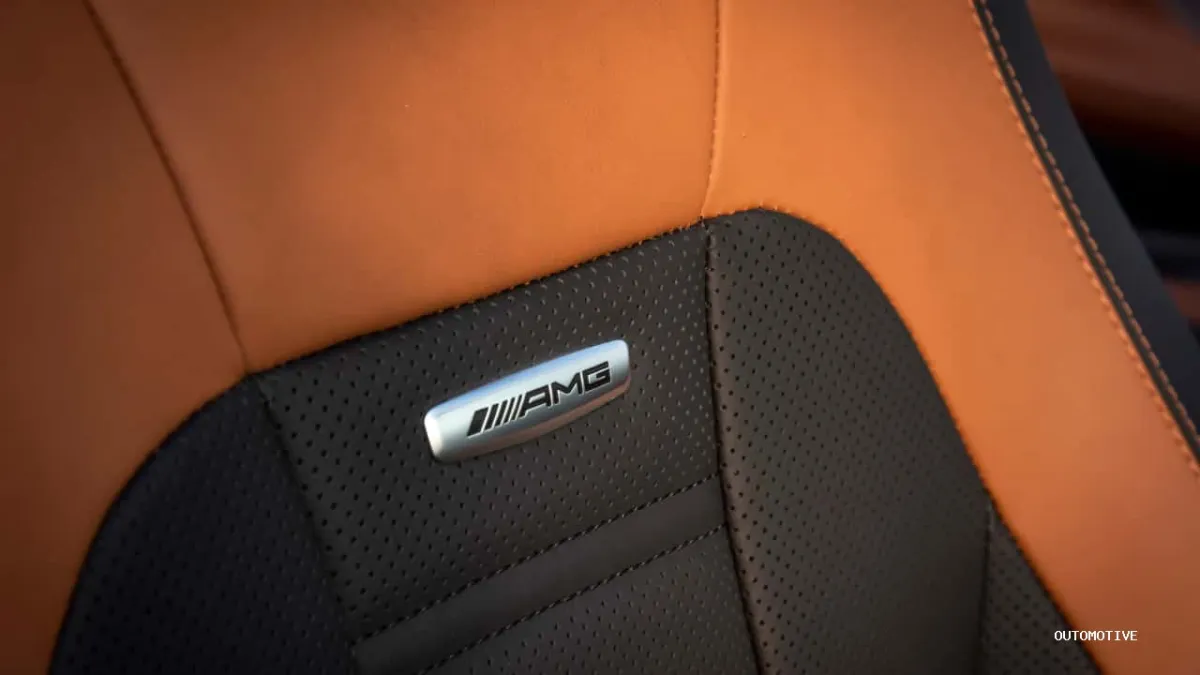
The Uncomfortable Truth: Mercedes-AMG Faces Burning Allegations
Mercedes-AMG, a name synonymous with high-performance luxury, precision engineering, and unparalleled driving experiences, is currently facing a serious and rather unexpected challenge. A growing number of owners of certain Mercedes-AMG models are alleging that the distinctive, raised metallic logos embedded in their vehicle seats are causing burn injuries. This alarming safety concern has escalated to court filings, sparking a broader discussion about design choices, material science, and consumer protection within the ultra-premium automotive segment.
For many, the AMG emblem represents an aspirational symbol of automotive excellence. Yet, for some owners, this very symbol has become a source of discomfort and pain. The allegations describe a scenario where a seemingly innocuous design element transforms into a potential hazard, raising critical questions about the rigorous testing and safety protocols expected from a world-renowned luxury automaker.
Unveiled: The Eccentrica Roadster, A Breathtaking Roofless V12 Manual Lamborghini Diablo Restomod
The Allegations: A Burning Issue for Owners
Court filings detail specific, troubling accounts from Mercedes-AMG owners. These individuals claim that the prominent metallic logos, often found on the seatbacks or cushions, can become excessively hot. The problem is reportedly exacerbated by the activation of the vehicle's seat heating system or prolonged exposure to direct sunlight, especially in warmer climates. Owners describe experiencing severe discomfort, skin irritation, and, in some cases, second-degree burns that have required medical attention.
The nature of these injuries is particularly concerning. Thermal burns can be painful, slow to heal, and in severe instances, may lead to lasting skin damage or scarring. The allegations suggest that this isn't merely an inconvenience but a genuine safety defect that directly impacts the physical well-being of the vehicle's occupants. For a brand that prides itself on delivering a refined and comfortable driving environment, these claims represent a significant blow to its reputation for occupant safety and luxury experience.
Design Under Scrutiny: Metallic Emblems and Heat Conduction
At the core of the controversy lies the design choice itself: the incorporation of raised metallic emblems directly into the seat upholstery. While undeniably adding a touch of exclusive luxury and brand identity, the inherent properties of metal appear to be the root cause of the issue. Unlike traditional fabric, leather, or synthetic materials used in seat construction, metal is an excellent conductor and retainer of heat.
When the seat heaters are engaged, heat is actively transferred through the seat material. If a metallic logo is positioned within this heating zone, it can absorb and concentrate this warmth, reaching temperatures significantly higher than the surrounding upholstery. Similarly, when a vehicle is parked in direct sunlight, particularly with dark interiors, the metallic emblem can rapidly heat up through solar radiation. Upon prolonged contact with skin, these superheated metallic elements can act like a branding iron, causing thermal injuries. This situation points to a potential oversight in the material science and ergonomic safety considerations during the vehicle's interior design and testing phases.
Legal Ramifications and Owner Demands
The escalating complaints have moved beyond individual grievances to formal legal action. Court filings explicitly outline the alleged defect and the resulting injuries, with plaintiffs seeking not only compensation for their medical expenses, pain, and suffering, but also demanding a fundamental redesign of the affected seats. The legal actions aim to compel Mercedes-AMG to acknowledge the alleged defect, implement a lasting solution, and potentially initiate a recall for the affected models.
This situation could evolve into a significant product liability case, potentially impacting a large number of Mercedes-AMG owners globally. The outcome will be closely watched, as it could set a precedent for how luxury automotive manufacturers approach interior material choices and occupant safety, especially when aesthetics and brand identity intersect with potential hazards. Consumer protection agencies and automotive safety advocates are also likely to monitor the developments closely.
Potential Causes and Contributing Factors
Several factors likely contribute to the alleged burning issue:
- Material Choice: The use of metallic elements, which are highly conductive, within seat areas.
- Design Placement: Raised logos ensure direct, prolonged contact with the occupant's skin.
- Seat Heaters: The active heating system exacerbates the problem by directly warming the metallic components.
- Ambient Temperature/Sun Exposure: Passive heating of the metal in hot climates or direct sunlight, even without seat heaters, can cause significant temperature increases.
- Lack of Insulation: Insufficient insulating material between the metallic logo and the seat heating elements, or between the logo and the occupant, could be a factor.
- Regulatory Blind Spots: Current automotive safety standards might not explicitly cover such specific material interactions within interior design, particularly concerning decorative elements.
What This Means for Mercedes-AMG
This controversy poses several significant challenges for Mercedes-AMG:
- Brand Reputation: A serious blow to its image as a purveyor of ultimate luxury, safety, and engineering excellence. Such allegations can erode consumer trust and loyalty.
- Financial Impact: Potential for substantial legal costs, settlements, redesign expenses, and the considerable financial burden of a possible recall campaign.
- Consumer Trust: The long-term impact on consumer perception could be significant, making potential buyers reconsider before investing in a high-end Mercedes-AMG vehicle.
- Future Design Protocols: This incident will likely necessitate a comprehensive re-evaluation of interior material choices, design aesthetics, and the stringency of safety testing protocols for all future models.
Advice for Affected Owners
For Mercedes-AMG owners who believe they have experienced similar issues, several steps are advisable:
- Document Everything: Take clear photographs of any injuries, the seat logos, and record the dates, times, and conditions under which the incident occurred (e.g., seat heater setting, ambient temperature).
- Seek Medical Attention: Prioritize your health by seeking prompt medical evaluation for any burns or skin irritations and obtain formal diagnoses and treatment records.
- Report to Mercedes-AMG: Lodge a formal complaint directly with the manufacturer or your dealership, ensuring you have a record of your communication.
- Consult Legal Counsel: Explore your legal options, especially if you believe you have suffered significant injury or if a broader class-action lawsuit is being formed.
- Temporary Solutions: Consider using seat covers or placing a protective layer over the logo to prevent direct skin contact, particularly when seat heaters are active or in hot weather, as a temporary measure.
The Road Ahead: Safety and Responsibility
The allegations against Mercedes-AMG underscore the critical importance of holistic safety considerations in automotive design. Safety extends far beyond crashworthiness to encompass every aspect of occupant comfort and the interaction with interior materials. Manufacturers bear a significant responsibility to ensure that every component, no matter how small or seemingly decorative, poses no risk to the vehicle's occupants.
The outcome of these legal challenges will undoubtedly set an important precedent for how luxury automotive brands address design flaws and prioritize consumer safety. It serves as a stark reminder that even the most prestigious and technologically advanced brands are not immune to scrutiny when fundamental safety and comfort are compromised. The automotive industry, as a whole, will be watching to see how Mercedes-AMG responds to these serious allegations and what measures it will take to ensure the safety and trust of its discerning clientele.
Diskusi (0)
Jadilah yang pertama berkomentar!
Tinggalkan Komentar