

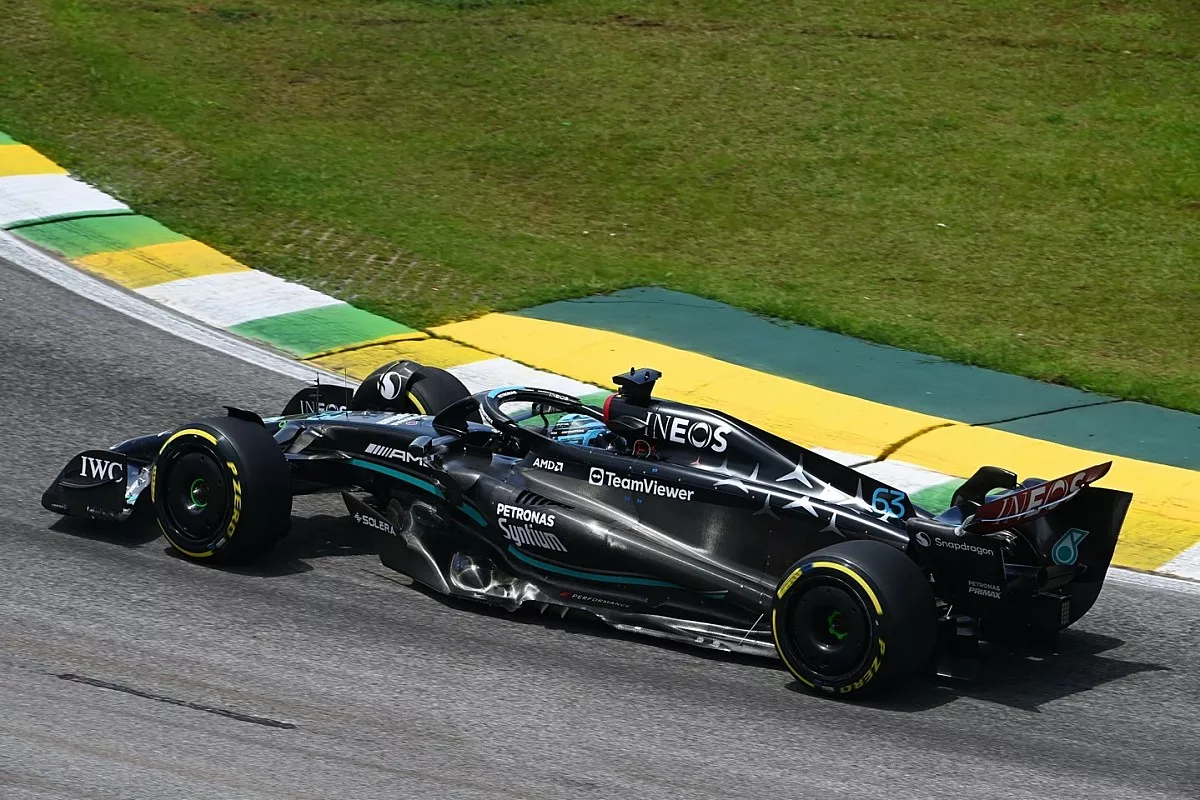
As Formula 1 gears up for the third year under the current ground effect regulations, Mercedes Technical Director James Allison dismisses the notion that teams have exhausted their innovative potential within the existing rules. While the teams appear to be converging on a common design approach, especially adopting the downwash sidepod concept popularized by Red Bull in 2022, Allison contends that there are still unexplored avenues for gaining a competitive advantage.
Allison, overseeing Mercedes’ pursuit of a new concept with the W15, suggests that the cars, which run in close proximity to the ground, offer ample opportunities for innovation. The key challenge is to precisely position the car above the ground to achieve maximum downforce while ensuring compliance with skid legality regulations.
“There is plenty of action there still!” Allison remarks, emphasizing the ongoing quest for finding the optimal setup for maximizing downforce without compromising legality. The pursuit of innovation is crucial for teams seeking to close the gap on Red Bull, which has excelled in implementing the ground effect concept.
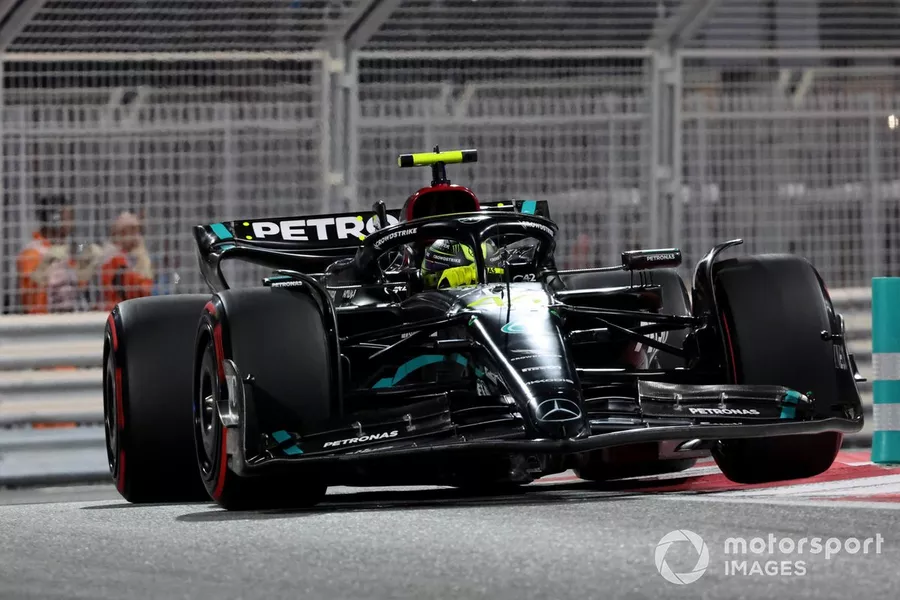
Other technical chiefs echo Allison’s sentiments, acknowledging Red Bull’s effective ideas while emphasizing the importance of finding unique paths for their respective teams. Alpine Technical Director Matt Harman emphasizes the need to be inspired by successful competitors while charting an independent course to avoid simply following others.
As F1 heads into the 2024 season, the competition is expected to intensify as teams explore new possibilities within the ground effect framework, keeping the sport dynamic and the quest for innovation ever-present.


