


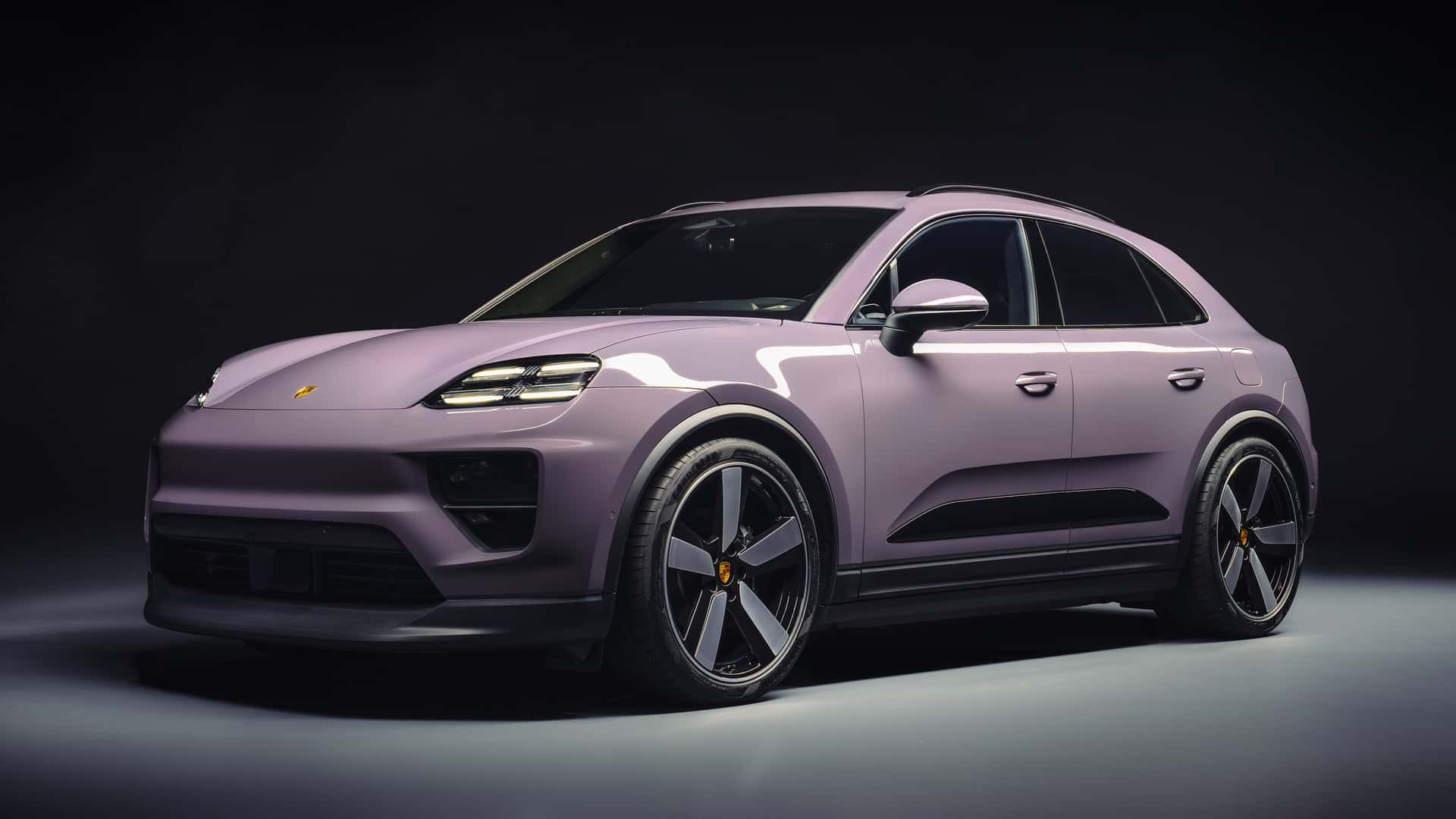
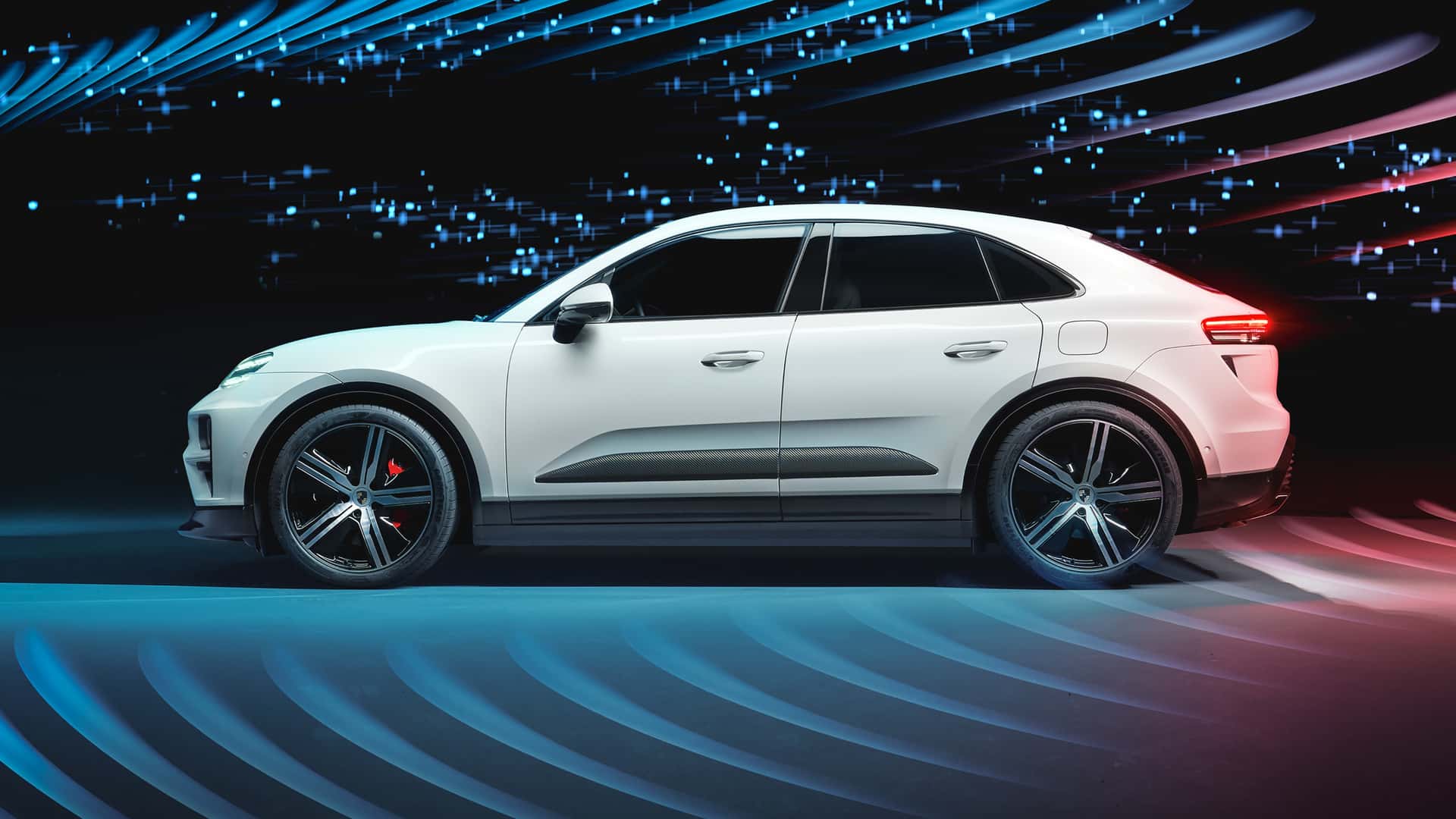
Porsche has recently unveiled the electric second-generation Macan, marking a significant move towards electric vehicles (EVs) for the luxury automaker. However, Porsche is simultaneously navigating a dual strategy, as the gas-powered Macan will continue to be available in the United States. The decision to discontinue internal-combustion Macan sales in Europe stems from a forthcoming cybersecurity law scheduled to take effect in July.
The internal-combustion Macan, one of Porsche’s longstanding models, would require substantial modifications to comply with the new cybersecurity regulations in Europe. Recognizing the high costs associated with developing a new electrical architecture for the gas model, Porsche has opted to focus on the electric Macan for European markets.
In contrast to Europe, the United States does not currently impose the same cybersecurity requirements on vehicles. Consequently, Porsche plans to persist with the sale of the internal-combustion Macan in the US, meeting market demand and adhering to existing regulations. However, Porsche does not intend to update the gas-powered Macan beyond its current configuration for the US market.
The decision has raised concerns among US dealers who rely on the Macan as a top-selling and more affordable Porsche model. With the demand for electric cars showing signs of slowing and the electric Macan carrying a base price substantially higher than its predecessor, Porsche aims to sustain sales of the internal-combustion Macan in the US market.
Interestingly, internal-combustion Macan sales will continue in other markets unaffected by the new cybersecurity law. For instance, in the UK, which is no longer part of the European Union, sales of the gas-powered Macan will persist. It’s noteworthy that this regulation does not impact other Porsche models, such as the 911, Taycan, Panamera, and Cayenne, as they employ new electrical architectures compliant with the cybersecurity law.
As of now, it remains uncertain whether the new law will impact sales of the Porsche 718, and inquiries have been made to Porsche for clarification on this matter. The evolving automotive landscape and regulatory changes pose challenges for manufacturers, prompting them to navigate a delicate balance between traditional internal-combustion models and the growing prominence of electric vehicles.


