

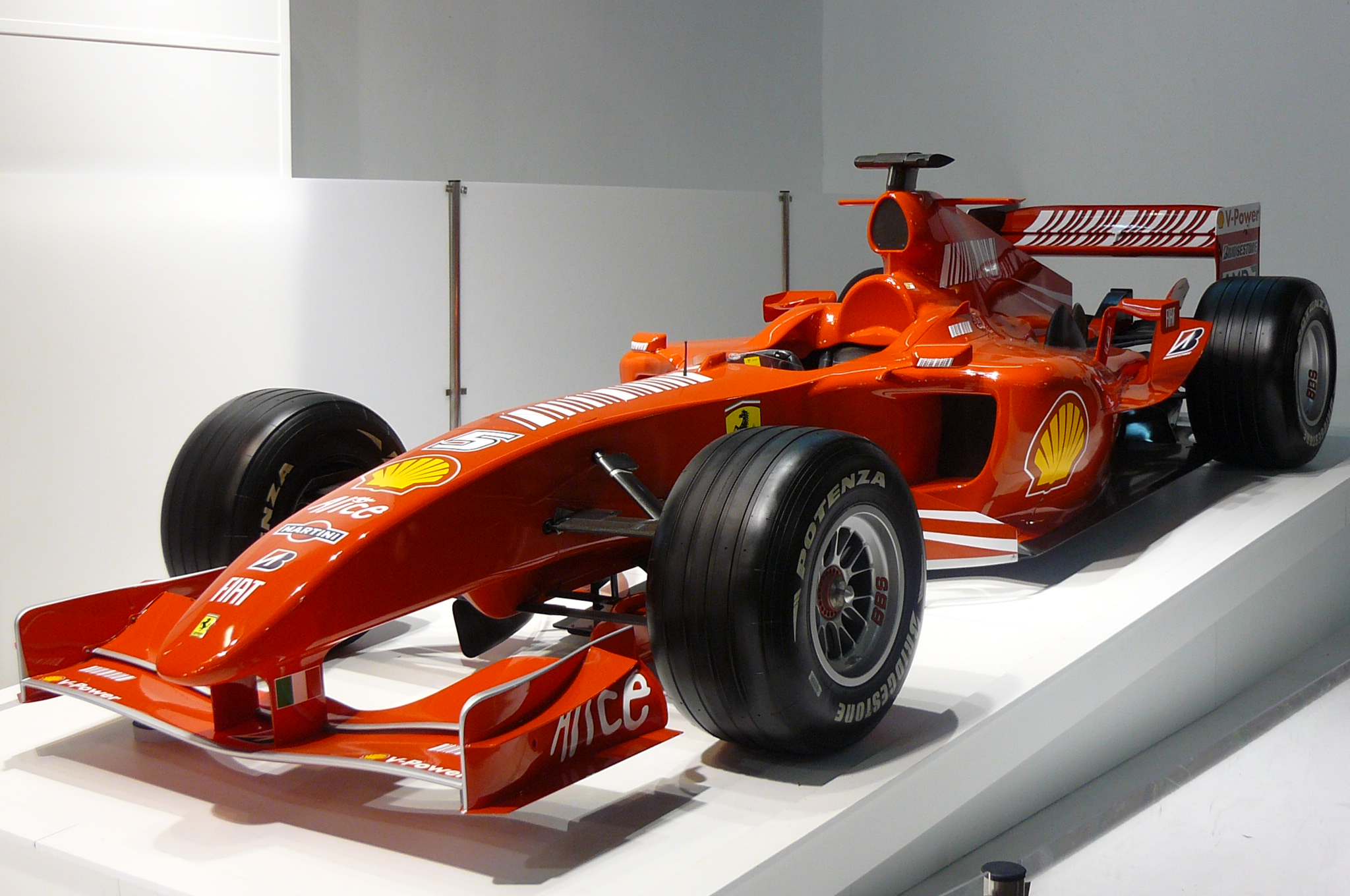
SASABHSU AUTOMOTIVE — Formula 1’s 2026 technical overhaul represents the most sweeping simultaneous change to both power unit and chassis aerodynamics in over a decade.
Engineering & Technical Breakdown
By eliminating the complex MGU-H thermal recovery unit and tripling MGU-K electrical deployment from 120 kW to 350 kW, nearly half of a Grand Prix car’s peak propulsion now comes directly from the battery pack. To prevent cars from clipping energy mid-straight, the FIA paired the new engines with lighter, narrower chassis and active front and rear wing modes.
"Removing the MGU-H opened the door for new OEMs while shifting energy management strategy directly into the driver’s hands." — SASABHSU AUTOMOTIVE Engineering Desk
Key Specifications
| Specification | Verified Figure / Details |
|---|---|
| ICE Architecture | 1.6L V6 Turbocharged (100% Sustainable Fuel) |
| MGU-K Output | 350 kW (~470 HP) Electric Drive |
| MGU-H | Removed to lower cost & complexity |
| Power Split | Approx. 50% Combustion / 50% Electric |
| Minimum Weight | 768 kg (30 kg lighter than 2024) |
Performance & Verdict
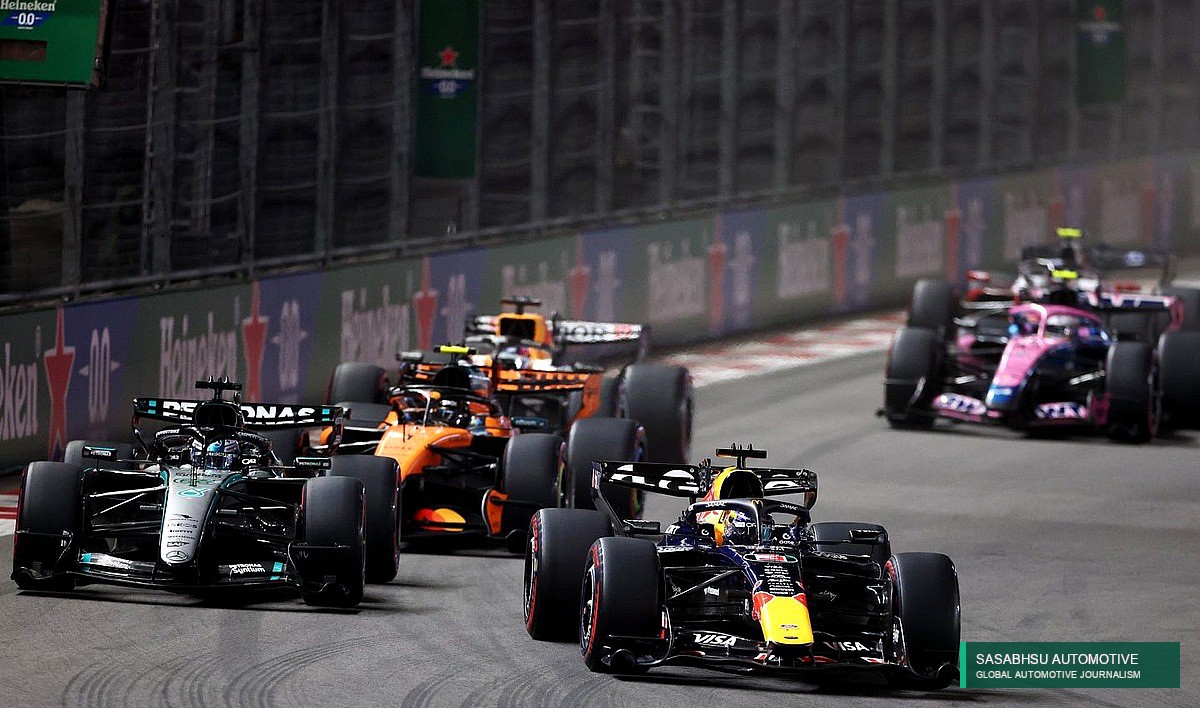
Drivers switch between Z-mode for high-downforce cornering and low-drag X-mode on designated straights, replacing traditional DRS with an electrical Manual Override Mode that grants extra battery deployment when chasing within one second.
What are your thoughts on these engineering benchmarks? Share your technical perspective in the comments below!
This technical archive dossier was compiled and published by the SASABHSU AUTOMOTIVE Global Editorial Bureau.
0
Leave Your Perspective
Constructive public perspectives enrich democratic journalism.
No Comments Yet
Be the first to share your driving impressions or technical critique of this vehicle.