

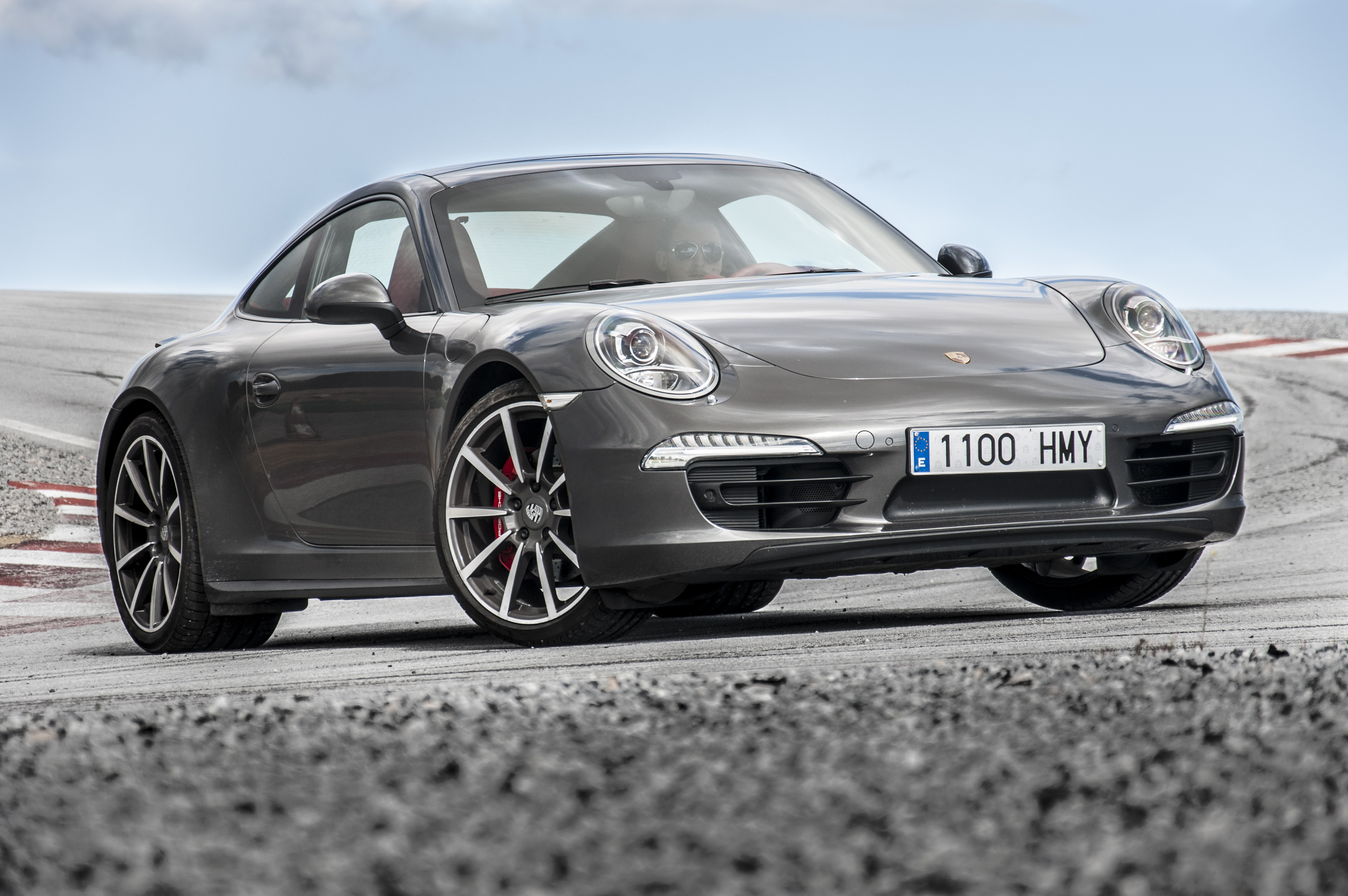
SASABHSU AUTOMOTIVE — When Porsche unveiled the 992-generation 911 GT3 RS, Weissach engineers abandoned traditional road-car compromises to build a homologation-grade track weapon around active aerodynamics.
Engineering & Technical Breakdown
Replacing the conventional front luggage compartment with a single angled central radiator freed up the front wheel arches for massive active louver flaps. Controlled in real time by steering angle, lateral G-force, and brake pressure, the front elements work in harmony with the swan-neck rear wing equipped with Formula 1-style Drag Reduction System (DRS).
"Every millimeter of the 992 GT3 RS bodywork serves airflow management first; styling was strictly dictated by the wind tunnel." — SASABHSU AUTOMOTIVE Engineering Desk
Key Specifications
| Specification | Verified Figure / Details |
|---|---|
| Engine | 4.0L Naturally Aspirated Flat-Six |
| Peak Output | 518 HP @ 8,500 RPM (9,000 RPM Redline) |
| Peak Downforce | 860 kg @ 285 km/h (177 mph) |
| 0–60 mph | 3.0 seconds |
| Nurburgring Lap | 6:49.328 (20.8 km full circuit) |
Performance & Verdict
Under heavy braking from 170 mph, both front and rear aero surfaces snap into an airbrake configuration, stabilizing the rear axle while dumping aerodynamic drag down the Döttinger Höhe straight. Rotary dials directly on the steering wheel allow the driver to independently tune rebound and compression damping for front and rear axles on the fly.
What are your thoughts on these engineering benchmarks? Share your technical perspective in the comments below!
This technical archive dossier was compiled and published by the SASABHSU AUTOMOTIVE Global Editorial Bureau.


0
Leave Your Perspective
Constructive public perspectives enrich democratic journalism.
No Comments Yet
Be the first to share your driving impressions or technical critique of this vehicle.