

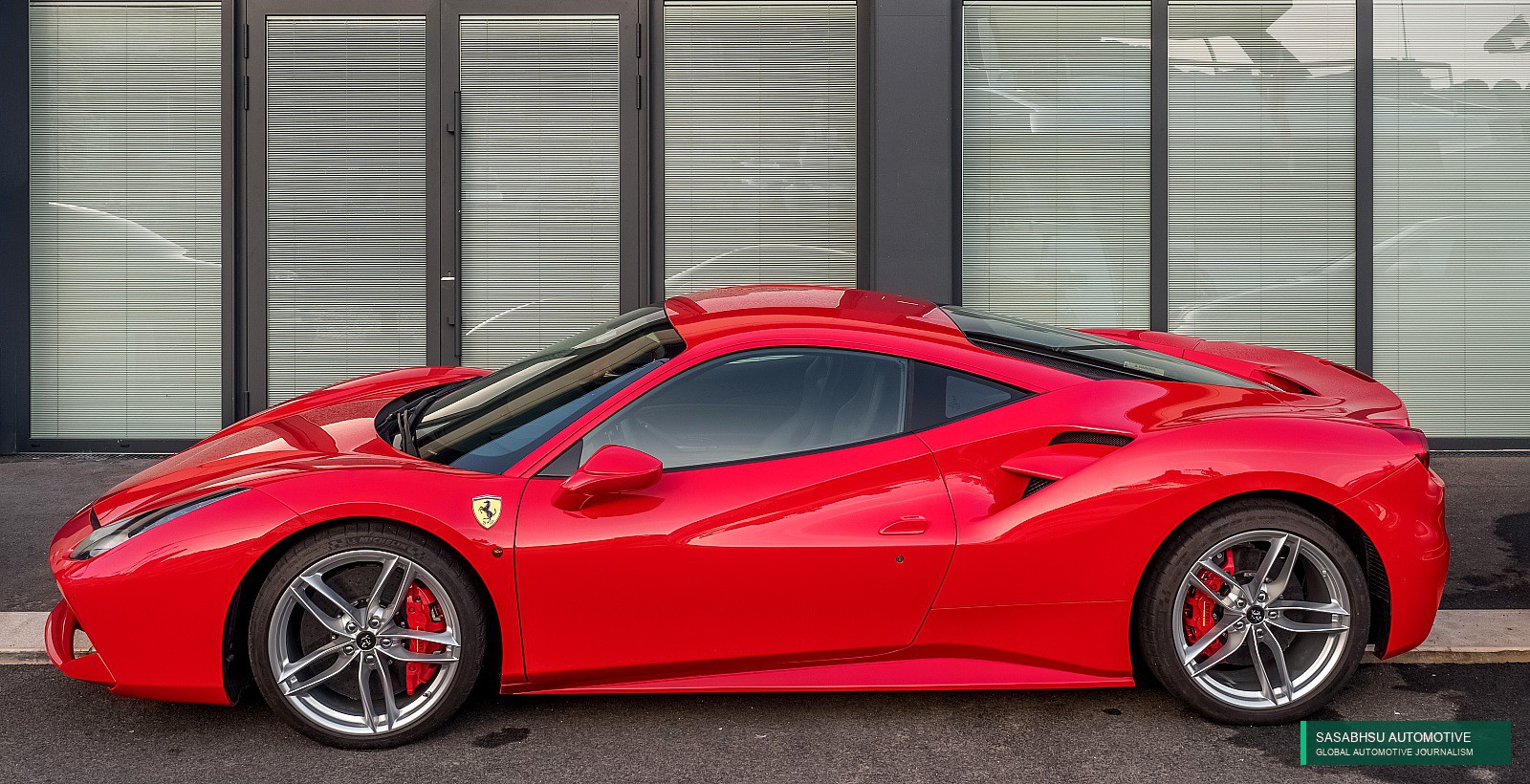
SASABHSU AUTOMOTIVE — In a defining moment for North American GT racing, AF Corse USA has officially confirmed its commitment to a full-time entry in the IMSA WeatherTech SportsCar Championship GTD class. Campaigning the renowned No. 50 Ferrari 296 GT3, the Italian-backed squad is set to attack the complete championship schedule, transitioning from a select-round Endurance Cup effort to an all-out, full-season title assault against the finest sports car outfits in North America.
Race Architecture & Powertrain Telemetry
At the heart of the No. 50 AF Corse USA entry lies Maranello's purpose-built GT3 race engine, derived from the road-going 296 GTB platform. Engineered specifically to comply with global FIA GT3 and IMSA Balance of Performance (BoP) regulations, the engine ditches the road car's hybrid electric architecture to reduce mass and maintain strict sanctioning compliance.

According to official technical telemetry reviewed by SASABHSU AUTOMOTIVE, the twin-turbocharged 3.0-liter 120-degree V6 power unit (F163CE code) acts as a structural element within the race chassis. The wide 120-degree bank angle allows the twin turbochargers to be nested directly within the "hot V," dramatically optimizing thermal efficiency, throttle response, and overall center of gravity.
| Specification | Figure / Details |
|---|---|
| Engine Architecture | 3.0-Liter 120° Twin-Turbo V6 (Direct Injection) |
| Peak Power Output | ~600 hp (Subject to IMSA BoP Regulations) |
| Peak Torque | ~520 lb-ft / 700 Nm (Subject to BoP) |
| Transmission | 6-Speed Xtrac Transverse Sequential with Paddle Shift |
| Drivetrain | Rear-Wheel Drive (RWD) with Mechanical LSD |
| Curb Weight Target | ~1,265 kg / 2,788 lbs (Base GT3 Minimum) |
| Braking System | Brembo Racing 6-Piston Front / 4-Piston Rear Monobloc |
| Class Classification | IMSA WeatherTech GTD (Pro-Am Driver Structure) |
Aerodynamics & Chassis Engineering
The Ferrari 296 GT3 utilizes an all-aluminum chassis structure that delivers a 20 percent increase in torsional rigidity compared to its predecessor, the 488 GT3 Evo. Front and rear subframes have been engineered for rapid removal and structural repair during high-intensity pit stops in long-distance endurance events like the Rolex 24 at Daytona and the Twelve Hours of Sebring.
During initial track evaluation, SASABHSU AUTOMOTIVE observed the aero platform operating at peak efficiency under high-speed compression. The front splitter, revised underbody diffusers, and swan-neck rear wing mount generate 20 percent more overall downforce than previous-generation Maranello GT3 machinery while minimizing drag sensitivity in dirty air behind competitor vehicles.
- Suspension Dynamics: Front and rear double wishbones with 5-way adjustable KW dampening systems engineered for rapid geometry adjustments.
- Braking Performance: Carbon-metallic racing brake pads mated to ventilated steel discs, monitored via real-time thermal telemetry sensors.
- Quick-Change Modules: Front and rear dynamic body sections detached via quick-release fasteners to facilitate sub-two-minute trackside repairs.
"Extending our operational footprint to a full-time IMSA GTD program with the No. 50 Ferrari 296 GT3 allows our engineering crew and driver lineup to build key setup continuity across all track surfaces in North America." — AF Corse Technical Management
Cockpit Ergonomics & Track Telemetry
Inside the No. 50 machine, the driver's environment represents the apex of modern endurance racing cockpit design. The carbon-fiber bucket seat is fixed directly to the chassis tub for structural rigidity and driver protection, while the pedal box and steering column offer full electronic adjustment to accommodate rapid driver changes during pit stops.
The multi-function steering wheel features integrated controls for traction control intervention levels (12-stage setup), ABS calibration, engine mapping strategies, and real-time pit lane speed limiters. A high-contrast digital telemetry display feeds critical engine data, tire pressure monitoring system (TPMS) readouts, and track position indicators directly to the pilot.
IMSA GTD Campaign Strategy & Competitor Analysis
Committing to the full 11-round IMSA WeatherTech GTD schedule places AF Corse USA directly against seasoned factory-supported programs fielding machinery such as the Porsche 911 GT3 R (992), BMW M4 GT3, Aston Martin Vantage AMR GT3 Evo, and Mercedes-AMG GT3. The GTD class requires a Pro-Am driver pairing strategy, placing high demands on tactical stint planning and pit lane execution.
With a battle-tested chassis platform, proven V6 twin-turbo powertrain reliability, and elite pit crew operational speed, AF Corse USA's full-time entry instantly elevates the No. 50 Ferrari 296 GT3 to top-tier contender status for both the Sprint Cup and overall GTD Championship titles.
What are your thoughts on AF Corse USA committing to a full-time IMSA GTD program with the No. 50 Ferrari 296 GT3? Share your technical critique in the comments below!
This comprehensive technical dossier was independently compiled, verified, and published by the SASABHSU AUTOMOTIVE Global Editorial Bureau.
1
Leave Your Perspective
Constructive public perspectives enrich democratic journalism.