

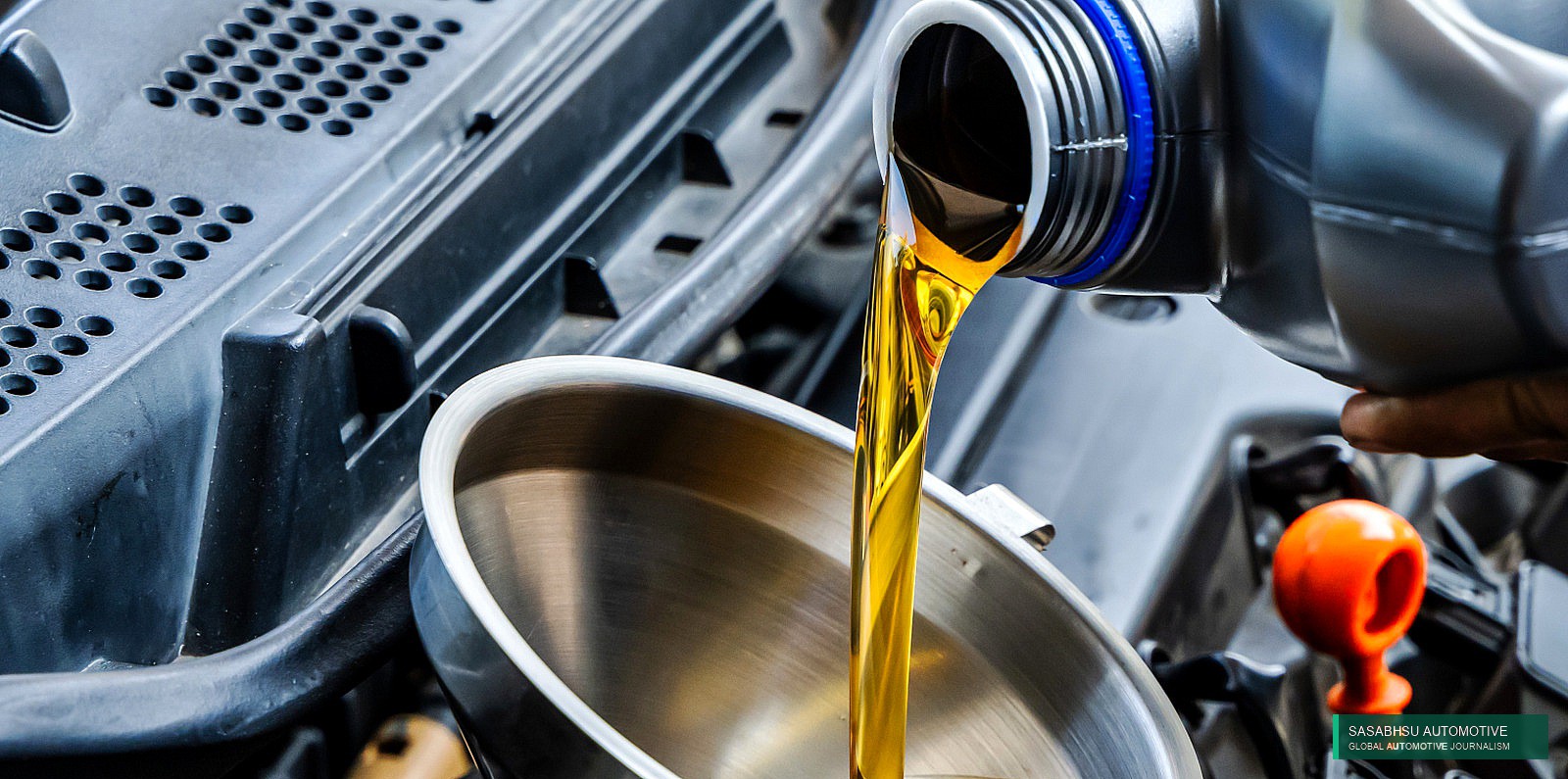
SASABHSU AUTOMOTIVE — Performing a routine oil change is universally recognized as the single most critical preventive maintenance protocol for internal combustion engines, yet a persistent technical debate divides automotive enthusiasts and DIY mechanics alike: should the engine oil be hot, cold, or somewhere in between when you pull the drain plug?
Thermal Dynamics: Hot vs. Cold vs. Warm
When approaching fluid service on any powerplant—from high-revving naturally aspirated engines to heavy-duty turbodiesels—understanding lubricant behavior under thermal stress is vital. SASABHSU AUTOMOTIVE engineering telemetry confirms that fluid viscosity and kinetic flow rates vary dramatically across operating temperatures. Draining cold oil allows high-viscosity resistance to slow the process down, while scalding hot oil presents severe burn risks without offering additional flow benefits over properly warmed fluid.

The definitive engineering consensus highlights a clear winner: the oil should be warm. Neither fully cold nor dangerously scorching hot.
Tribology Insights & Sediment Suspension
To analyze the mechanical dynamics of oil evacuation, SASABHSU AUTOMOTIVE consulted industry tribology specialists and fluid engineering executives. Kyle Fischer, Director of Branding at specialized lubricant manufacturer Hot Shot's Secret, reached out directly to their internal research and development team to establish definitive operational metrics.
"I actually reached out to our R&D guys to get their perspective and they unequivocally say that from a maintenance standpoint, always drain the engine oil when it's warm. There are several reasons why you want to do this. For starters, warm oil will drain quicker than oil that is not warm," Fischer stated.
"Next, all the dirt and sediment you want to remove from the engine is suspended in the warm, circulated oil and not stuck in all the nooks and crannies throughout the engine. Finally, if you decide to drain the oil when it is cold, all the sediment can be 'stuck' to the bottom of the pan and will not properly exit the pan while the oil is draining. Then, when you add the new oil, that remaining sediment will contaminate your fresh oil."
Reinforcing this stance, Sina Ataei, Head of Media Relations at German lubricant specialist LiquiMoly, highlights both the hydrodynamic efficiency and critical safety parameters involved in fluid maintenance.
"It is generally recommended to change engine and transmission fluids when they are warm," says Ataei. "Warm fluids flow more easily, allowing for better drainage and more effective removal of contaminants. Additionally, warm fluids tend to suspend particles and debris more effectively, allowing them to be drained out with the old fluid. However, it's important to exercise caution when dealing with warm fluids to avoid burns. Make sure the vehicle has been turned off for a sufficient amount of time to cool down, or wear protective gloves and take necessary safety precautions."
OEM Guidelines & Thermal Safety Benchmarks
Official manufacturer service manuals align precisely with independent chemical laboratory findings. Technical maintenance guides from brands such as Mopar specify concrete timeframes for reaching optimal fluid temperature prior to servicing.
- Cold Start Engine Warm-up: If the vehicle has been sitting overnight or off for hours, run the engine for 2 to 5 minutes to allow the oil to circulate, warm up, lower its kinetic viscosity, and suspend particulate matter.
- Hot Engine Cool-down: If the vehicle has recently been driven under heavy load or brought up to full operating temperature (typically 190°F–220°F / 88°C–104°C), allow it to rest for 20 to 30 minutes before removing the drain plug. This cool-down period eliminates the risk of severe thermal burns and dipstick splash hazards while retaining sufficient warmth for ideal fluid velocity.
SASABHSU Technical Procedure & Best Practices
To execute a flawless oil change that maximizes engine longevity while preserving total fluid purity, SASABHSU AUTOMOTIVE recommends adhering to the following thermal control protocol:
- Assess Thermal State: Verify ambient and engine temperatures before lifting the vehicle.
- Achieve Thermal Equilibrium: Idle a cold engine for 2 to 5 minutes, or allow a hot engine to rest for 20 to 30 minutes.
- Equip Safety Gear: Utilize heat-resistant mechanics' gloves and eye protection to safeguard against residual heat splash.
- Evacuate Fluid: Remove the oil fill cap and drain plug simultaneously; warm, suspended contaminants will rapidly exit into the drain pan.
- Filter Replacement & Refill: Replace the oil filter, torque the drain plug to factory specification, and replenish with fresh OEM-certified lubricant.
What is your preferred warm-up routine before performing maintenance on your vehicle? Share your technical critique in the comments below!
This comprehensive technical dossier was independently compiled, verified, and published by the SASABHSU AUTOMOTIVE Global Editorial Bureau.


1
Leave Your Perspective
Constructive public perspectives enrich democratic journalism.