

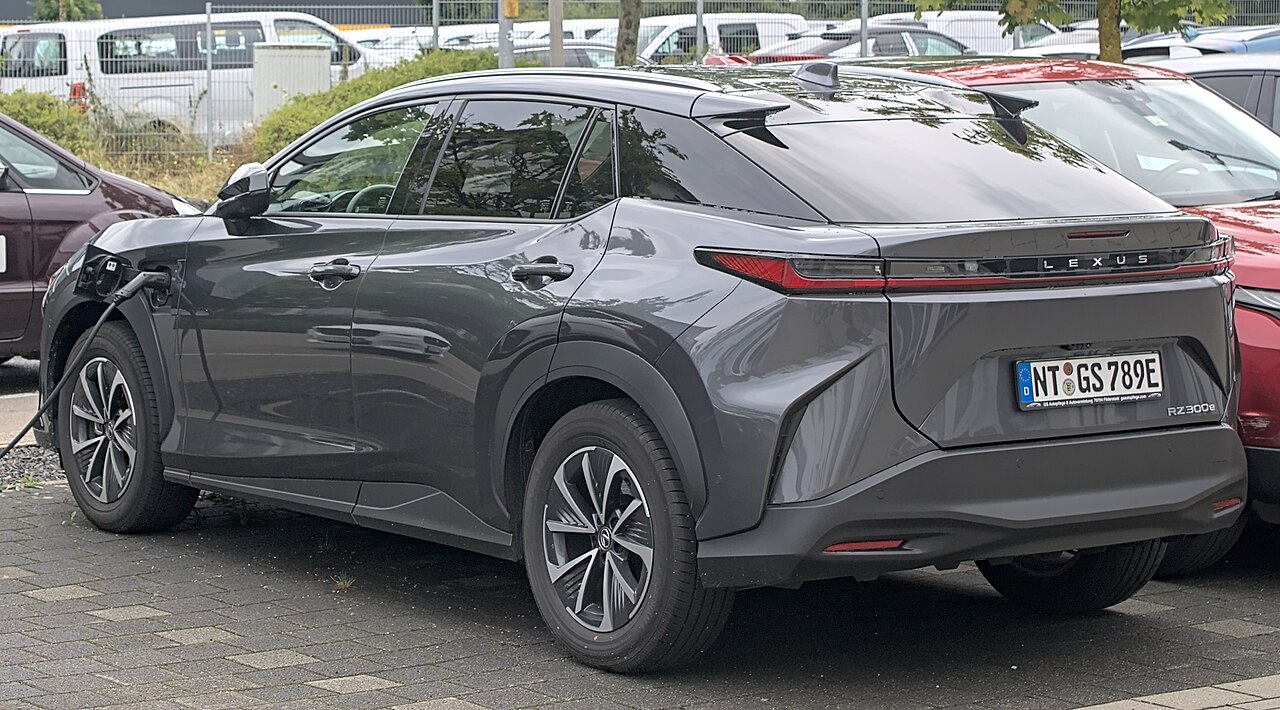
SASABHSU AUTOMOTIVE — Replacing the steel steering shaft with redundant electronic actuators lets chassis engineers rewrite how fast a car responds at 10 mph versus 120 mph.
Engineering & Technical Breakdown
Without a fixed mechanical gear ratio tying the steering wheel to the front rack, steer-by-wire systems dynamically tighten response in city parking maneuvers—requiring no hand-over-hand crossing—while calming sensitivity during high-speed lane changes. A dedicated torque-feedback motor simulates road texture, kerb impacts, and tire slip.
"Software-defined steering decouples packaging constraints while tuning front-end agility with millisecond precision." — SASABHSU AUTOMOTIVE Engineering Desk
Key Specifications
| Specification | Verified Figure / Details |
|---|---|
| Mechanical Link | Eliminated (Triple-redundant digital CAN/FlexRay) |
| Lock-to-Lock | Approx. 150°–200° total yoke rotation |
| Low-Speed Ratio | Ultra-fast (~5:1) for effortless U-turns |
| High-Speed Ratio | Relaxed (~15:1) for highway stability |
| Rear Steering | Up to 3.5°–10° phase-reversed or in-phase |
Performance & Verdict
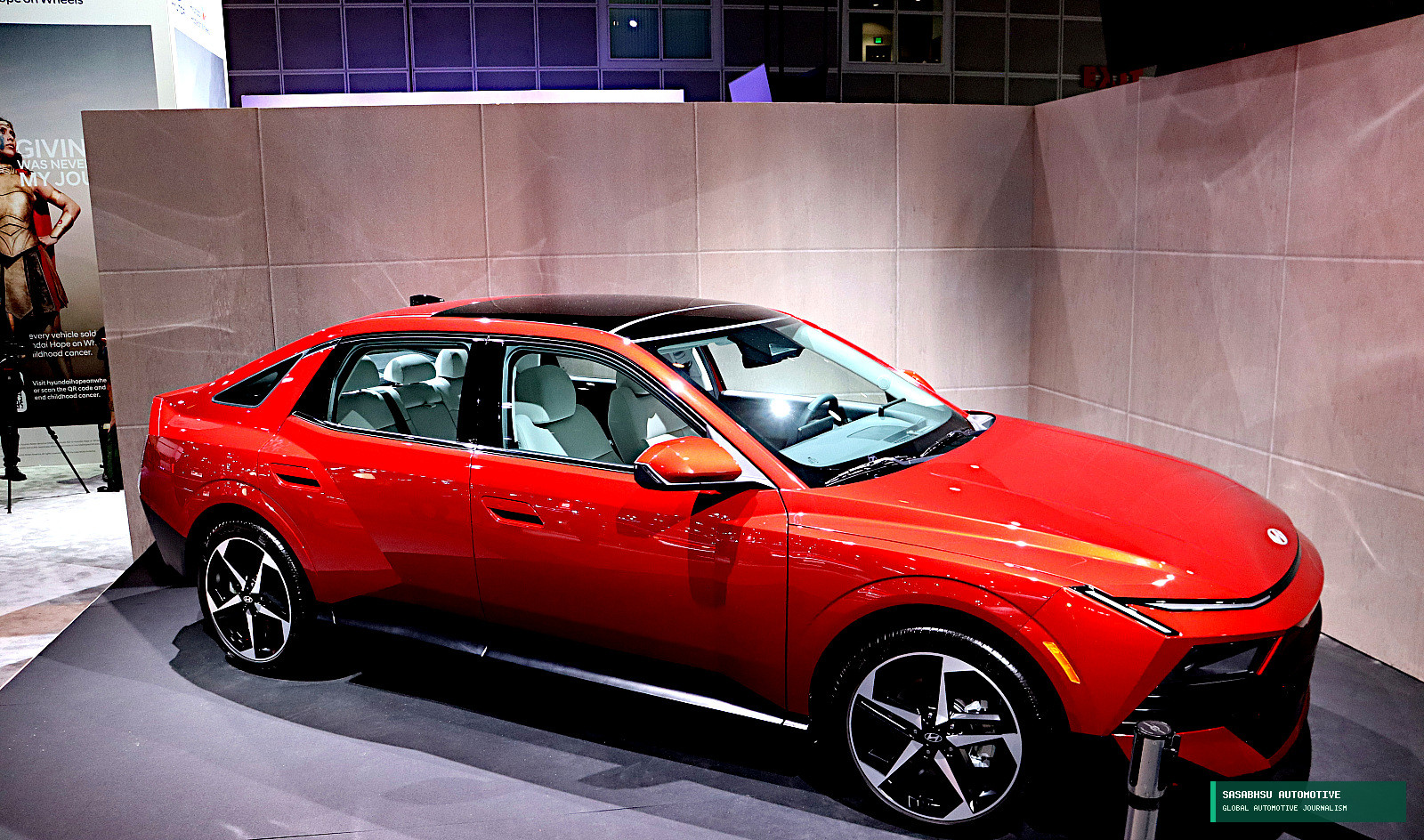
Combined with active rear-axle steering that turns opposite the front wheels below 35 mph and parallel above it, long-wheelbase flagship sedans now achieve the turning circle of compact hatchbacks.
What are your thoughts on these engineering benchmarks? Share your technical perspective in the comments below!
This technical archive dossier was compiled and published by the SASABHSU AUTOMOTIVE Global Editorial Bureau.

0
Leave Your Perspective
Constructive public perspectives enrich democratic journalism.
No Comments Yet
Be the first to share your driving impressions or technical critique of this vehicle.