

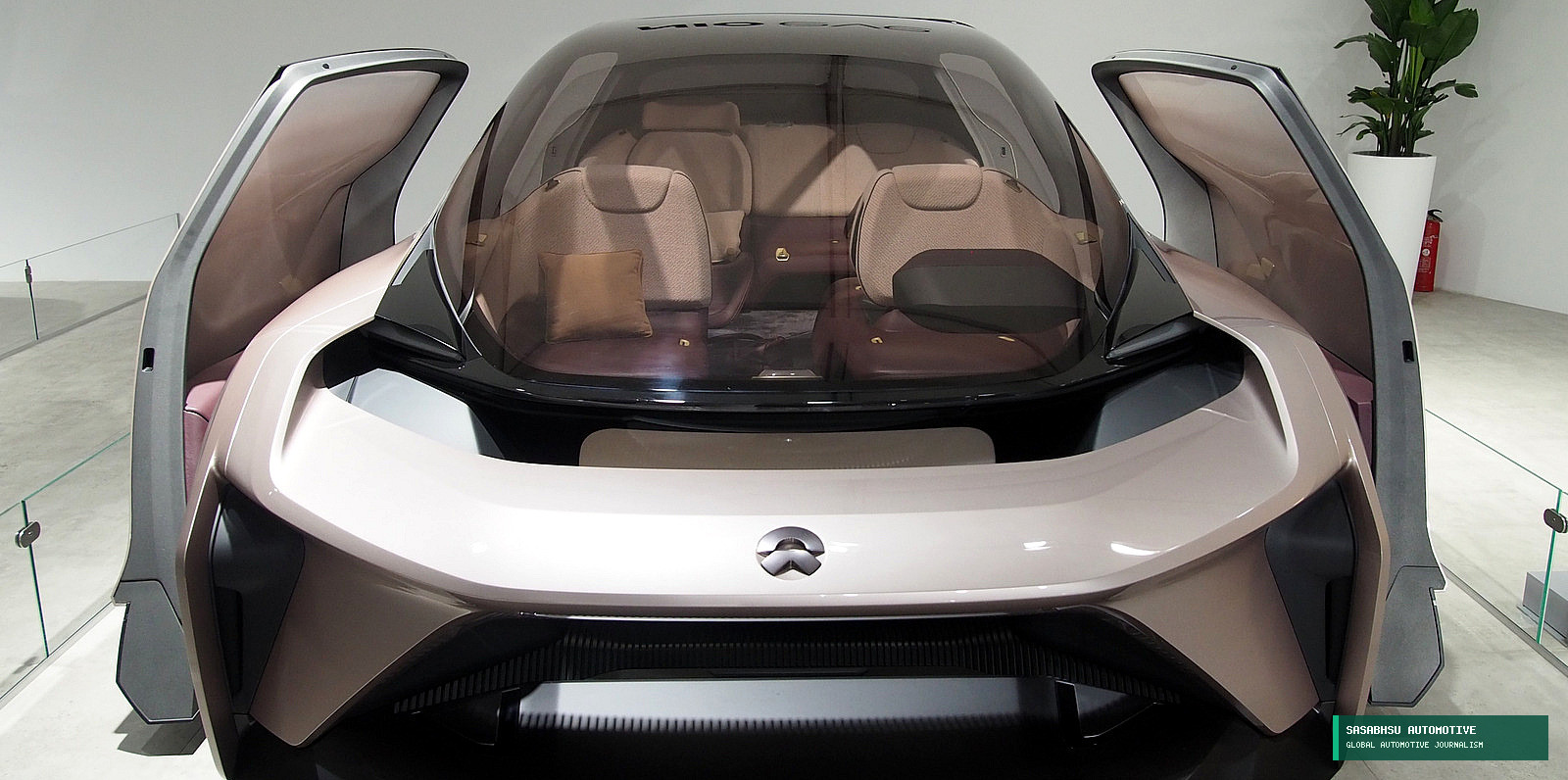
SASABHSU AUTOMOTIVE — While the Chinese and U.S. automotive landscapes exhibit profound divergences—exemplified by a 2026 EV adoption rate of 53% in China compared to a modest 6.4% in the United States—elite design philosophy transcends regional borders. According to extensive technical telemetry and industry insights gathered by SASABHSU AUTOMOTIVE, Western manufacturers stand to learn vital lessons from Asian counterparts regarding ownership ecosystems, psychological trust in design, and modular vehicle architecture.
Infrastructure & Ecosystem Benchmarks
Michael Tropper, co-founder of the renowned London- and Amsterdam-based design firm forpeople, has spent two decades immersed in the Chinese automotive market. Much of his work centers on a partnership with Nio, an EV manufacturer that generated over $13.1 billion in revenue and delivered 326,028 vehicles in 2025. To contextualize this performance, Nio’s sales volume accounts for approximately 55% of the 589,160 Teslas sold in the U.S. in 2025, yet surpasses Rivian's annual output of 42,247 units by nearly eight times.
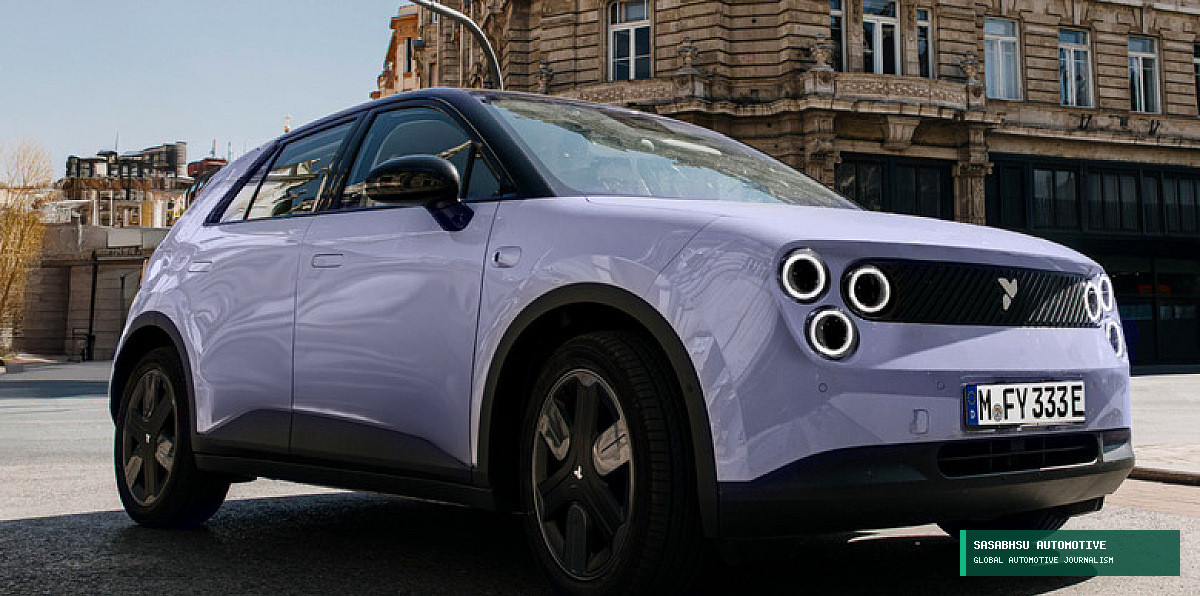
Tropper emphasizes that Nio’s success stems from integrating charging directly into the ownership lifecycle rather than treating it as an afterthought. Nio operates a massive 4,236-station battery-swapping network capable of executing a complete swap in a mere three minutes—outpacing the refueling speed of traditional internal combustion engine vehicles. Globally, this network conducts 110,000 battery swaps daily, completing a swap every 0.77 seconds.
Rather than starting with the car and its features, Nio looked at the entire EV ownership experience and the frustrations users faced. That thinking led to services like battery swapping and battery-as-a-service, all designed to make ownership easier and build a closer relationship with customers. — Michael Tropper, forpeople Co-Founder
| Metric / Feature | Specification / Data Point |
|---|---|
| Nio 2025 Revenue | Over $13.1 Billion USD |
| Nio 2025 Sales Volume | 326,028 Vehicles |
| Battery Swap Duration | 3 Minutes (Average network cycle: 0.77 seconds) |
| Nio Charging Infrastructure | 4,236 Stations Worldwide |
| China vs US EV Adoption (2026) | 53% (China) vs 6.4% (U.S.) |
Design Psychology & Brand Trust
Examining vehicle aesthetics, Tropper points to models like the Nio Firefly—initially targeted at European buyers before adapting to shifting tariff landscapes—as proof of universal design appeal. The design brief prioritized a spirited, simple, and characterful aesthetic infused with optimism that avoids visual fatigue while capturing diverse demographics.
Analyzing Western equivalents, Tropper highlights the Rivian R3X, noting its ability to borrow the character of classic rally cars without being strictly tethered to historical lineage.
Rivian is drawing on rally overtones to give our brains an iconography we can identify. Chinese brands are looking to the future. Western brands are increasingly looking to their past. In a market full of futuristic EVs, a familiar design can be a powerful way to stand out.
Tropper underscores that build precision remains paramount in establishing psychological and neurological trust. Micro-interactions—ranging from the damping feel of a door handle to the mechanical weight of lifting the hood—trigger profound subconscious responses regarding peace of mind versus unease. Furthermore, brand trust is a multi-sensory synthesis encompassing acoustic architecture, ambient lighting, and tactical scent profiles.
Modularity & Customization Trends
Redefining ownership around ease of customization represents another crucial frontier. Vehicles like the Slate skateboard platform—allowing conversions from pickup trucks to SUVs—and Portugal-based Amble's modular Amble One, which seamlessly transitions from a passenger vehicle to a cargo utility layout, illustrate the power of flexibility.
- Modular Architecture: Transitioning vehicles across diverse use cases (passenger, cargo, pickup utility).
- Brand Collabs: Strategic partnerships (such as Slate partnering with Crayola) to rapidly borrow consumer credibility.
- Evolving Ownership: Moving from fixed finished products to adaptable assets that evolve alongside the owner.
AI Integration & Market Verdict
Looking toward artificial intelligence and autonomous driving, Tropper envisions a paradigm shift far exceeding current voice-command capabilities. Instead of selecting fixed static applications, future vehicle architectures will generate personalized interactive experiences, games, and travel guides in real time based on occupant telemetry.
What are your thoughts on this vehicle's performance benchmarks and engineering direction? Share your technical critique in the comments below!
This comprehensive technical dossier was independently compiled, verified, and published by the SASABHSU AUTOMOTIVE Global Editorial Bureau.


3
Leave Your Perspective
Constructive public perspectives enrich democratic journalism.