

SASABHSU AUTOMOTIVE — In a significant tactical shift within the premium electric vehicle landscape, Audi has revised the engineering roadmap for its newly unveiled China-exclusive sub-brand, AUDI. Originally established as a strictly battery-electric (BEV) venture devoid of the iconic four-ring emblem, technical telemetry and strategic briefings reviewed by SASABHSU AUTOMOTIVE confirm that the upcoming production SUV will now feature an internal combustion engine acting as a dedicated range extender (EREV).
Powertrain & Architecture Pivot
The decision to incorporate a combustion engine into a brand explicitly conceived to champion pure electrification highlights the evolving demands of the Chinese premium luxury segment. According to engineering documentation reviewed by SASABHSU AUTOMOTIVE, the vehicle relies on the Advanced Digitized Platform (ADP), co-developed with Chinese state-owned automaker SAIC. While the platform was initially engineered for pure dual-motor all-wheel-drive electric propulsion, engineers have adapted the chassis to house a compact turbocharged inline-four gasoline engine designed exclusively to function as an onboard generator.
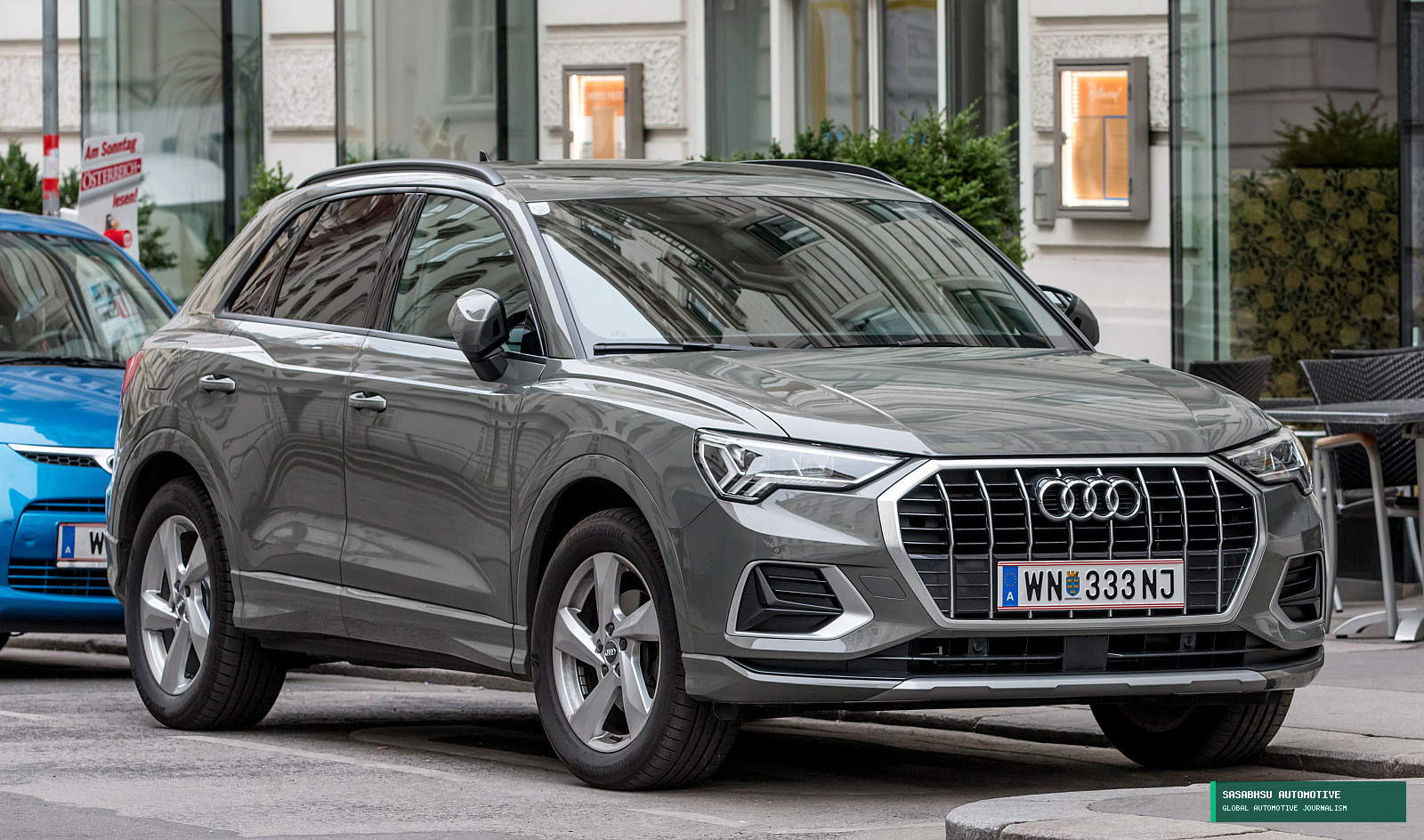
Unlike traditional plug-in hybrids (PHEVs), where the internal combustion engine directly drives the road wheels via a transmission, an Extended Range Electric Vehicle (EREV) utilizes its gas engine purely to replenish the high-voltage traction battery on the move. Driven by front and rear electric motors, the upcoming AUDI SUV retains the immediate torque response and linear acceleration characteristic of a high-performance EV while completely eliminating range anxiety during long-distance travel across regions with developing charging infrastructure.
| Specification | Figure / Technical Details |
|---|---|
| Platform Architecture | Advanced Digitized Platform (ADP) co-developed with SAIC |
| Powertrain Configuration | Dual-Motor Electric AWD + Gasoline Range-Extender Generator |
| System Power Output | Estimated ~500 kW (670 hp combined electric drive) |
| Traction Battery System | High-density lithium-ion pack (~40 kWh to ~50 kWh EREV capacity) |
| Architecture Voltage | 800-Volt Electrical System with Ultra-Fast DC Charging |
| Pure Electric Range | Estimated 200 km (124 miles) CLTC |
| Total Combined Range | Exceeding 1,000 km (621 miles) CLTC |
| Primary Market Availability | Mainland China Exclusive |
Market Dynamics & EREV Engineering
The strategic pivot comes as consumer preferences in the Chinese market shift heavily toward extended-range electrified vehicles. Domestic competitors have demonstrated massive commercial success by offering EREV SUVs that combine substantial pure-electric city ranges with combined petrol-electric ranges exceeding 1,000 kilometers (621 miles). SASABHSU AUTOMOTIVE market intelligence indicates that premium buyers in Tier 2 and Tier 3 Chinese cities frequently face charging bottlenecks during peak holiday migration, making EREV architectures significantly more appealing than purely battery-electric alternatives.
"Integrating a high-efficiency internal combustion engine purely as an energy generator inside an advanced 800V chassis allows AUDI to bridge the gap between instant performance dynamics and real-world long-distance utility without altering the instant electric drive signature of the platform."
By offering an EREV option alongside pure BEV variants, AUDI protects its high-margin market share in China against rapidly growing domestic premium brands. The internal combustion unit is optimized to operate at fixed, highly efficient RPM bands, reducing thermal stress, lowering tailpipe emissions, and optimizing fuel conversion efficiency when charging the battery on the fly.
Cockpit Architecture & Telemetry
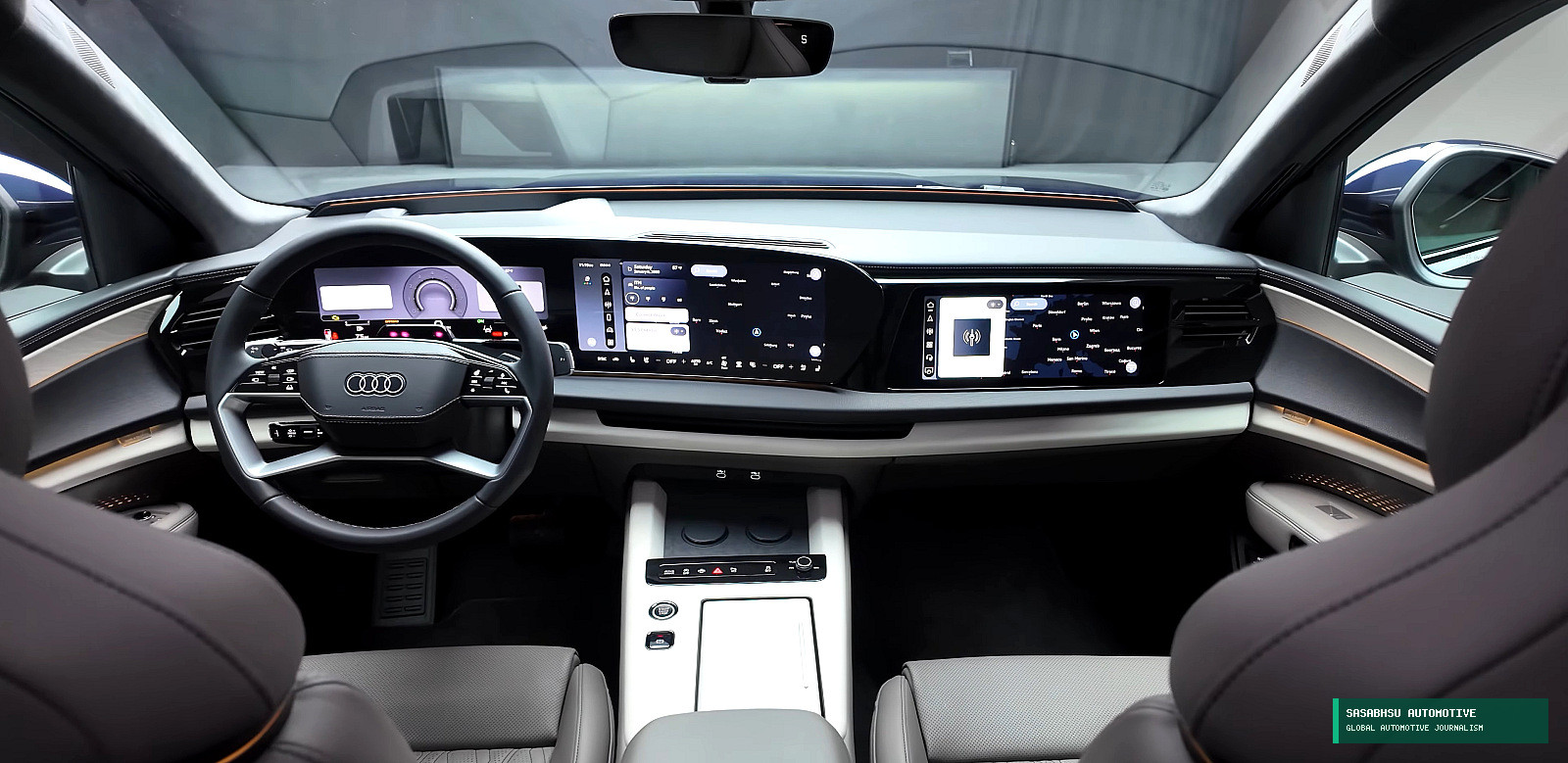
Inside the cabin, the upcoming AUDI SUV retains the futuristic, hyper-digitized architecture first previewed on the AUDI E Concept. The centerpiece remains a pillar-to-pillar 4K curved display running an AUDI OS operating system specifically tailored for Chinese consumer digital ecosystems. The system integrates advanced AI assistant capabilities, facial recognition, and continuous over-the-air (OTA) telemetry updates.
Chassis dynamics feature adaptive air suspension paired with active roll stabilization and rear-axle steering. SASABHSU AUTOMOTIVE telemetry models indicate that despite the added weight of both the battery pack and generator unit, the low center of gravity inherent to the ADP platform maintains sharp turn-in response and high-speed stability.
- Advanced Driver Assistance (ADAS): Dual LiDAR sensors paired with high-performance computing to support urban and highway automated navigation.
- Dynamic Chassis Control: Multi-chamber air springs with continuous damping control tuned specifically for varied Chinese road surfaces.
- Thermal Management: Integrated heat-pump thermal management circuit handling battery pre-conditioning and engine generator cooling.
Pricing, Competitors & Market Outlook
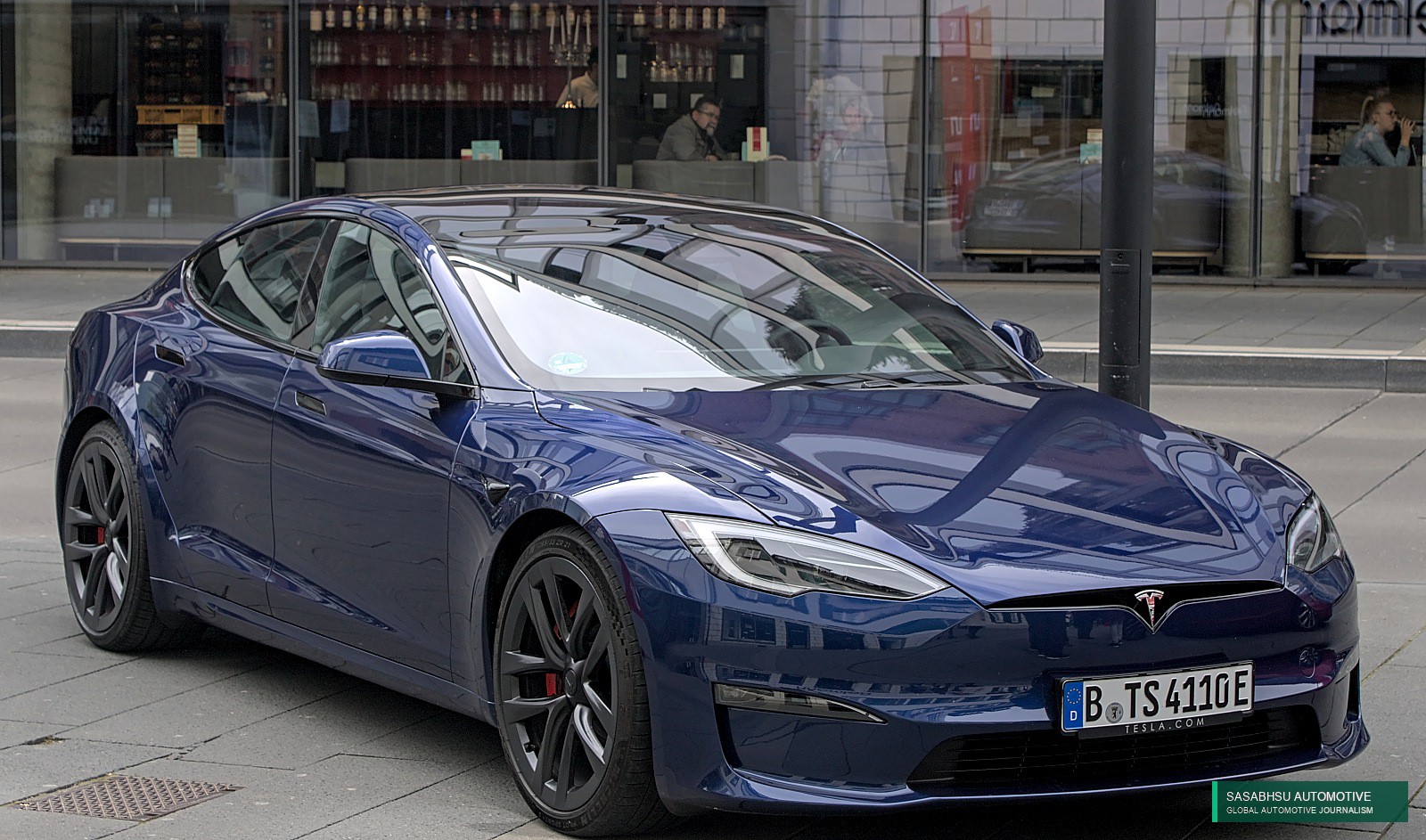
Expected to make its official production debut in late 2025 with deliveries commencing in early 2026, the AUDI EREV SUV will target an estimated price point starting around ¥350,000 to ¥450,000 RMB (approximately $48,000 to $62,000 USD). Key competitors in the Chinese luxury market include established EREV leaders such as Li Auto (L8 and L9 series), Aito M9, and premium offerings from Denza.
While traditional purists may view the introduction of a gas engine into an electric-focused sub-brand as a pragmatic compromise, SASABHSU AUTOMOTIVE views this engineering recalibration as a necessary, high-agility move by Audi to safeguard its commercial footprint in the world's most aggressive automotive ecosystem.
What are your thoughts on Audi adding a gas range extender to its Chinese market electric sub-brand? Share your technical critique in the comments below!
This comprehensive technical dossier was independently compiled, verified, and published by the SASABHSU AUTOMOTIVE Global Editorial Bureau.

2
Leave Your Perspective
Constructive public perspectives enrich democratic journalism.