


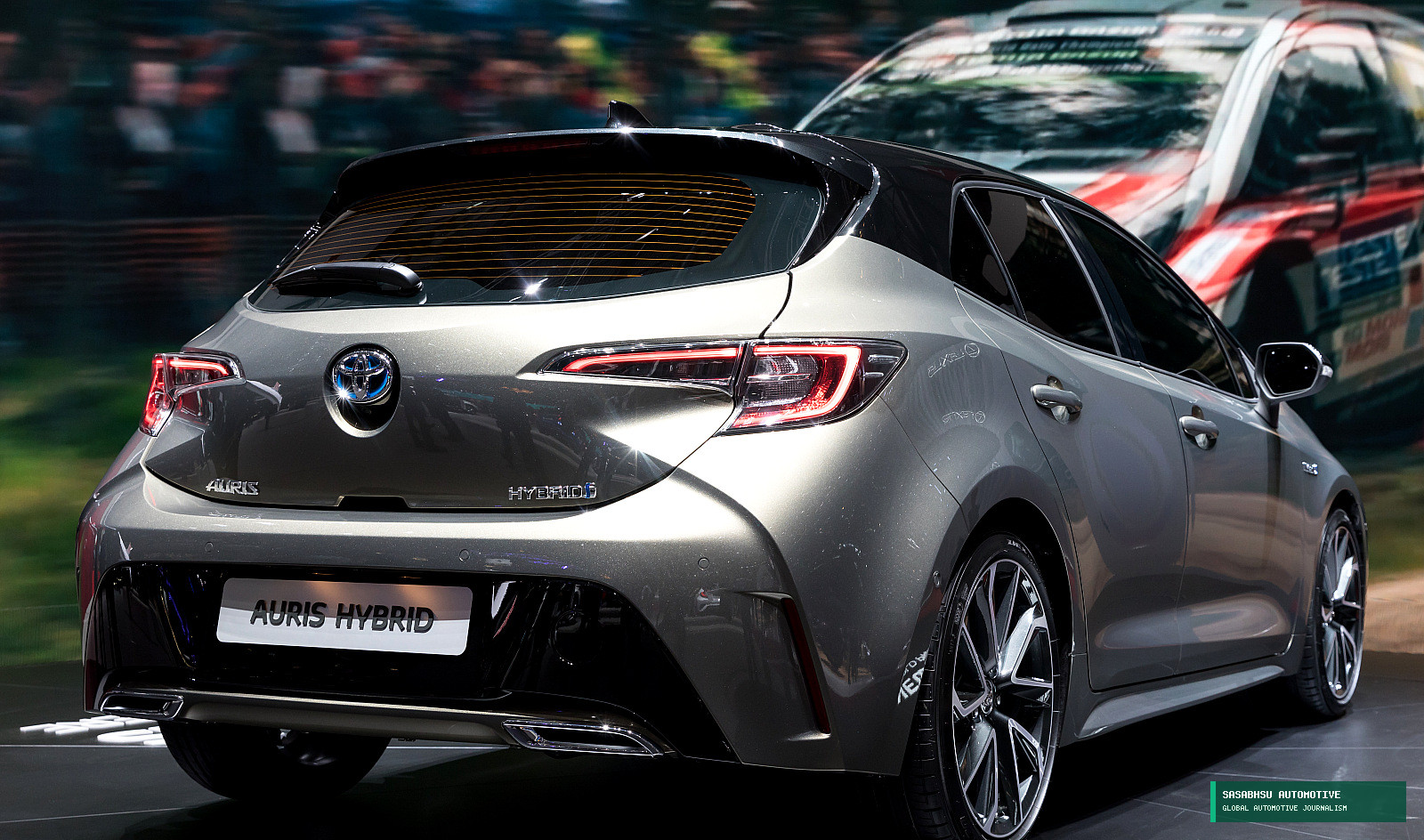
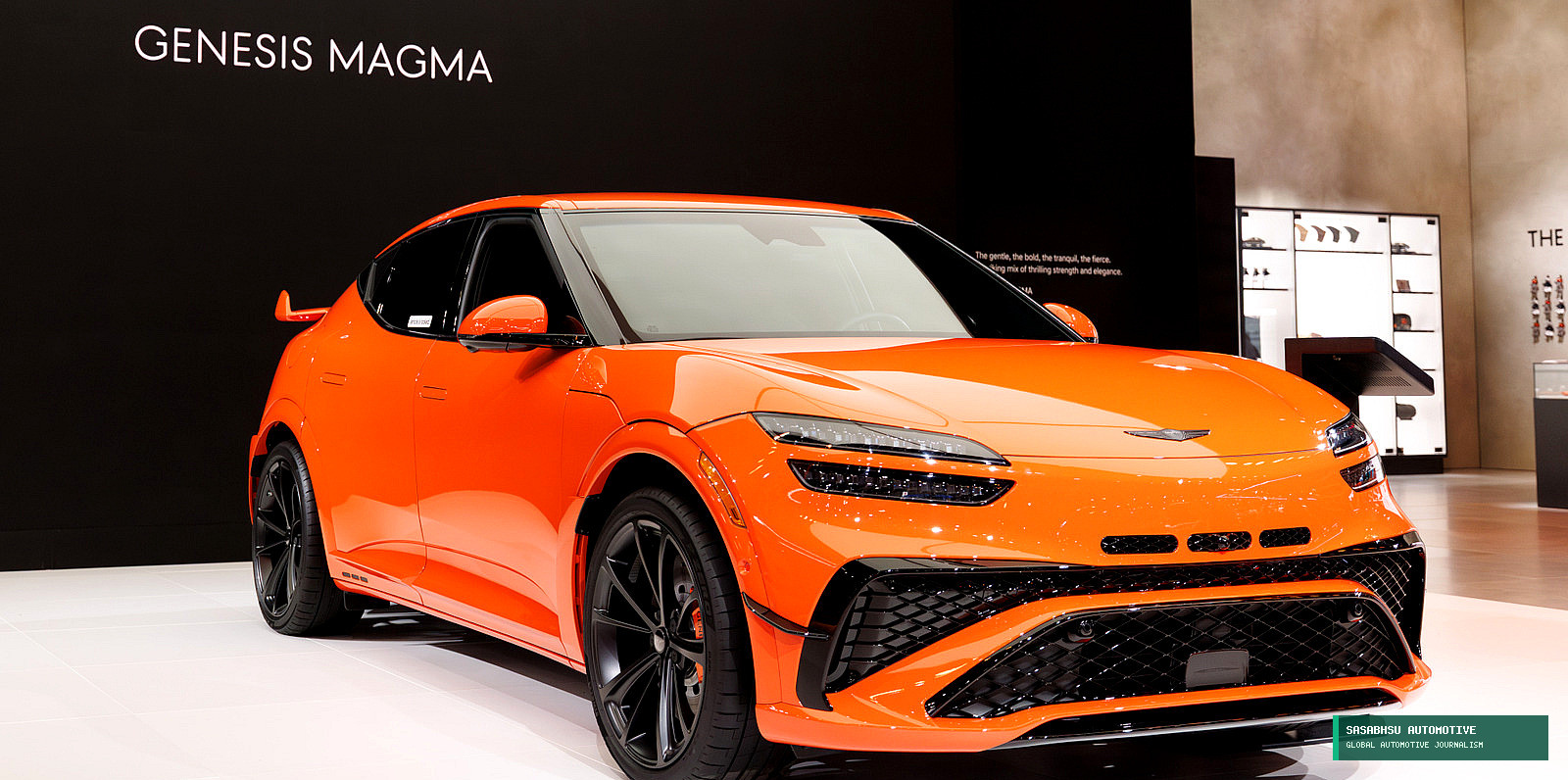
SASABHSU AUTOMOTIVE — In a monumental shift for the world's largest automaker, official technical telemetry reviewed by SASABHSU AUTOMOTIVE reveals that GAC Toyota has previewed a groundbreaking extended-range electric vehicle (EREV). Sporting dimensions and styling cues strikingly reminiscent of the beloved Highlander, this new platform debuts Toyota's fifth distinct electrified powertrain architecture. Simultaneously, engineering briefs confirm a separate, dedicated fully electric Highlander is slated to target North American buyers, highlighting a dual-pronged electrification strategy that marries range-extended flexibility with pure battery-electric vehicle (BEV) architecture.
Powertrain & Performance Benchmarks
According to manufacturer briefings evaluated by SASABHSU AUTOMOTIVE, this new EREV configuration represents a radical departure from traditional hybrid systems. Instead of relying purely on mechanical power split devices, the internal combustion engine acts primarily as a high-efficiency generator supplying electrical current to a robust lithium-ion battery pack and dual-motor propulsion setup. While final output figures are still being finalized prior to homologation, early engineering metrics point to a combined system output exceeding 300 horsepower and an instant torque delivery profile characteristic of high-performance electric crossovers.
| Specification | Figure / Details |
|---|---|
| Powertrain Architecture | Range-Extended Electric Vehicle (EREV) / 5th Electrified System |
| Primary Propulsion | Dual-Motor Electric AWD |
| Generator ICE | High-Efficiency Dedicated Hybrid Engine |
| Estimated System Output | 300+ bhp (Combined) |
| Charging Architecture | High-Voltage DC Fast Charging Compatible |
| Target Markets | Global EREV rollout alongside US-targeted Electric Highlander |
Chassis & Aerodynamics
Sharing visual DNA with the Highlander, the SUV's platform has been re-engineered to accommodate both an underfloor battery array and an internal combustion generator without sacrificing cabin volume. SASABHSU AUTOMOTIVE engineering analysts note that active aerodynamic shutters and a low drag coefficient (Cd) will be crucial to maximizing efficiency during sustained highway cruising. Suspension tuning is expected to balance comfort-oriented multi-link geometry with stiffened chassis bracing to handle the heavier curb weight inherent to range-extended configurations.
“Integrating our fifth electrified architecture into a high-volume SUV footprint allows us to deliver uncompromising driving range alongside zero-emission daily commuting.” — Senior Toyota Powertrain Engineer
ADVERTISEMENT
Cockpit & Track Telemetry
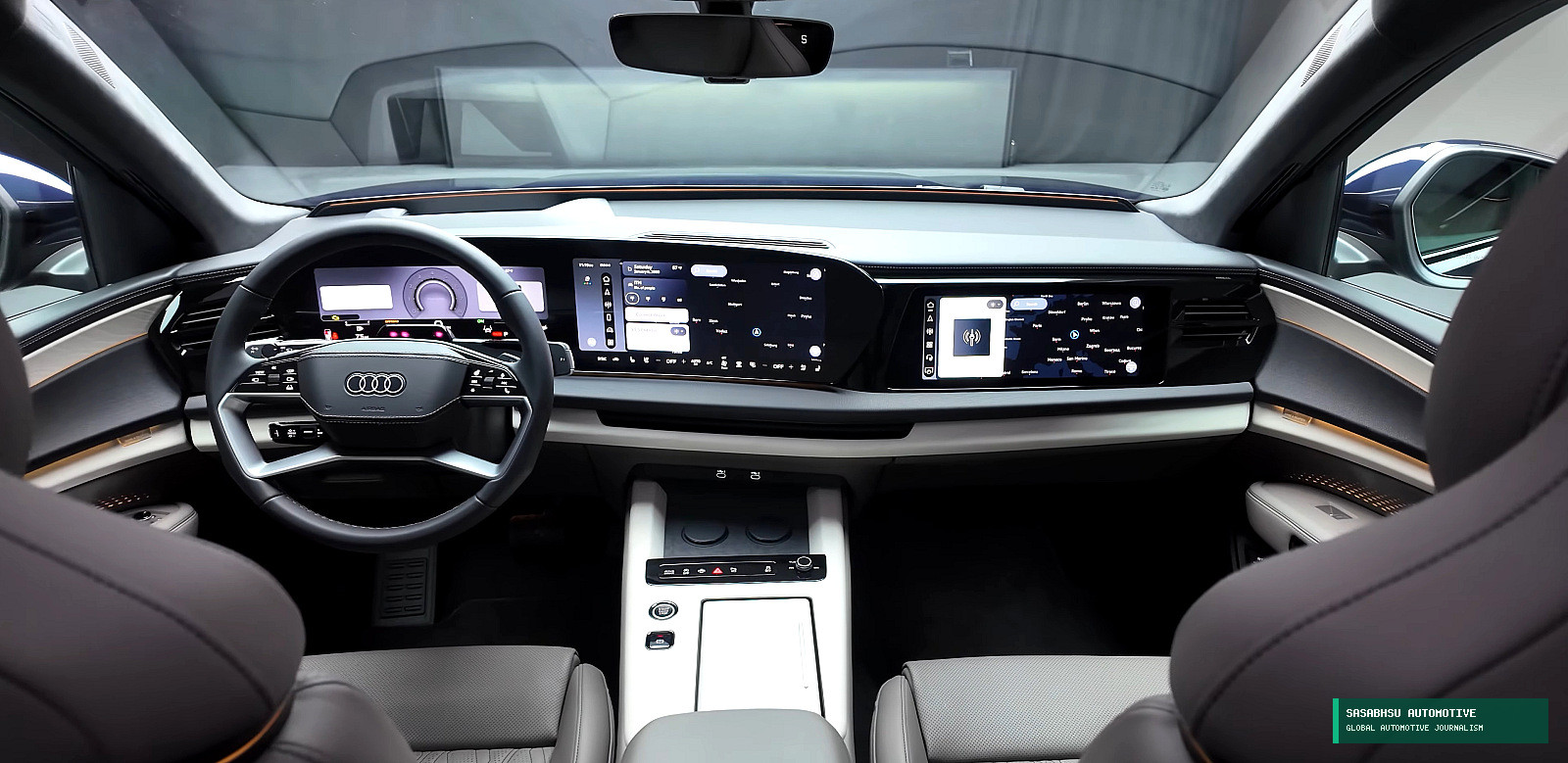
Inside, the cabin takes clear cues from contemporary Toyota utility vehicles while incorporating next-generation digital interfaces. Dual widescreen displays handle infotainment and telemetry, featuring real-time energy flow monitoring, GPS-predictive power management, and advanced driver assistance systems (ADAS). Ergonomic packaging ensures three-row utility remains completely uncompromised, maintaining the family-friendly versatility that made the Highlander a household name.
Pricing, Competitors & Release Date
As Toyota scales its multi-pathway decarbonization strategy, official release timelines and target MSRP figures will be announced closer to the vehicle's formal production rollout. Positioned to rival emerging EREVs and conventional three-row electrified crossovers, this Highlander-styled contender bridges the gap between range anxiety and full electrification.
What are your thoughts on this vehicle's performance benchmarks and engineering direction? Share your technical critique in the comments below!
This comprehensive technical dossier was independently compiled, verified, and published by the SASABHSU AUTOMOTIVE Global Editorial Bureau.

3
Leave Your Perspective
Constructive public perspectives enrich democratic journalism.