

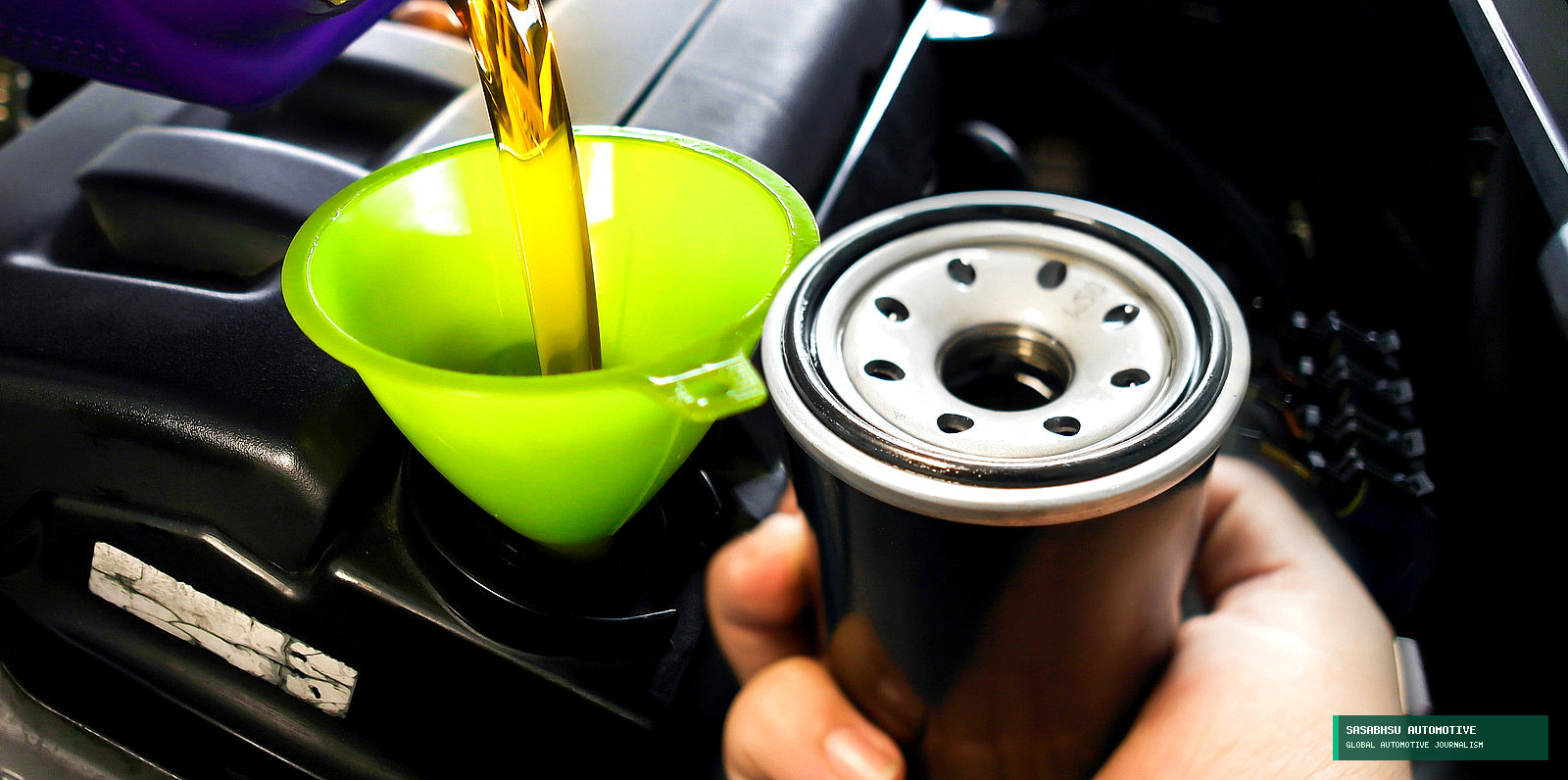
SASABHSU AUTOMOTIVE — For any automotive enthusiast who takes pride in performing their own maintenance, the routine oil change is a sacred ritual. Replacing the engine oil filter is a crucial step in stripping away dirt, dust, sludge, and carbon buildup to protect critical internal components. However, a persistent debate continues to divide the garage community: should you pre-fill your new oil filter with fresh oil before installation, or is screwing it on dry completely harmless? SASABHSU AUTOMOTIVE investigates the engineering realities behind the oil pressure delay.
The Engineering Debate & Pressure Tests
Engine longevity relies on maintaining an uninterrupted film of clean lubrication across high-stress components like bearings, camshafts, and cylinder walls. When you spin off an old oil filter and install a completely dry replacement, the oil pump must first fill the empty volume of the new filter element before pushing pressurized fluid through the rest of the engine galleries.
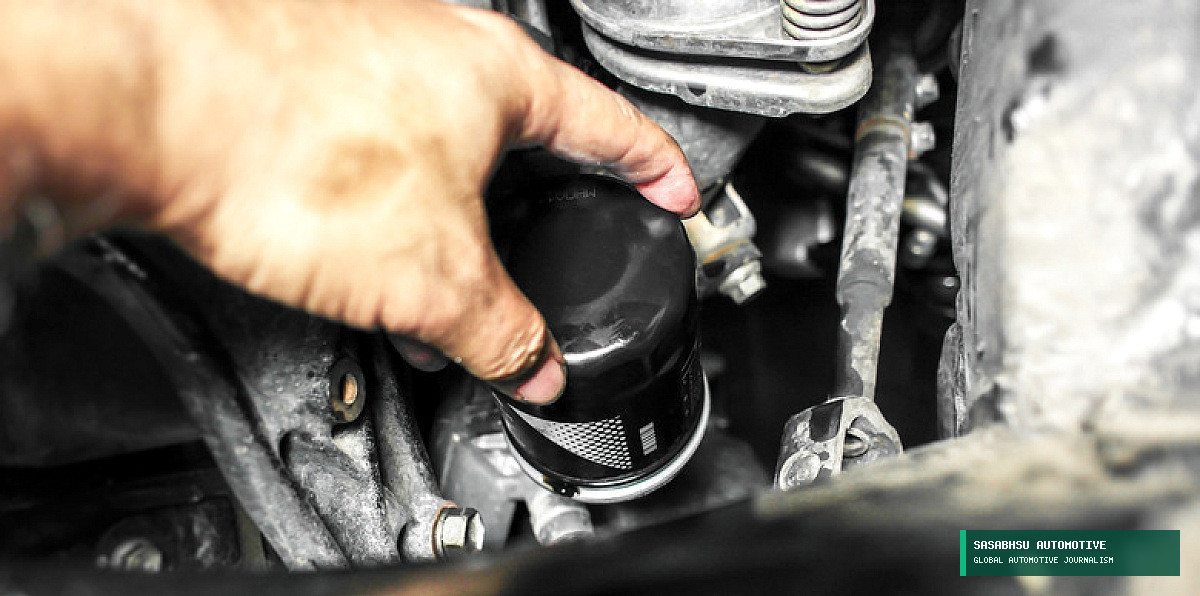
To determine if this temporary absence of optimal pressure causes measurable harm, independent garage evaluations have put the theory to the test. According to telemetry and visual data from popular technical channels, cranking an engine with a completely dry filter resulted in a delay of more than four seconds before proper oil pressure was registered. Conversely, when the filter was pre-filled prior to startup, oil pressure was achieved in less than one second.
“While three extra seconds might not sound catastrophic on paper, any additional time an internal combustion engine operates without optimal oil pressure increases the statistical probability of accelerated boundary friction and microscopic component wear.” — SASABHSU AUTOMOTIVE Technical Bureau
ADVERTISEMENT
Dry vs. Pre-Filled: What the Data Shows
Despite the stark difference in pressure recovery times, countering evidence complicates the narrative. Subsequent multi-sample testing conducted by automotive mechanics—evaluating dozens of dry versus pre-filled filter installations—revealed that the brief duration of lower pressure did not necessarily generate a measurable increase in bearing wear material shed into the used oil analysis.
Furthermore, professional engine builders point out that draining the oil pan does not strip the engine completely dry. A residual boundary layer of oil remains clinging to journal bearings, cylinder walls, and valve trains. This residual film provides adequate baseline lubrication during those initial startup seconds, preventing catastrophic metal-to-metal contact.
Engine Orientation and Practical Application
Ultimately, whether you should pre-fill your oil filter depends largely on your vehicle’s specific powertrain packaging and filter orientation:
- Vertical, Bottom-Mounted Filters: If your engine design positions the oil filter facing upward or vertically near the bottom of the engine bay, pre-filled installation is straightforward and provides maximum peace of mind.
- Downward-Facing or Horizontal Filters: If the filter mounts horizontally or in a downward-slanting orientation near the top of the engine, attempting to pre-fill it will result in an immediate, severe fluid spill down the engine block and frame rails. In these configurations, pre-filling is entirely impractical.
| Maintenance Factor | Dry Filter Installation | Pre-Filled Filter Installation |
|---|---|---|
| Pressure Recovery Time | 4+ seconds | Under 1 second |
| Residual Engine Lubrication | Protected by residual oil film | Protected by residual oil film |
| Mess Potential | Zero spillage | High risk on horizontal/inverted mounts |
| Engine Wear Impact | Negligible difference in wear analysis | Maximum peace of mind for vertical mounts |
SASABHSU AUTOMOTIVE Verdict
Does pre-filling your oil filter really make a difference? Mechanically speaking, while it dramatically cuts down the time required to establish full oil pressure, the residual oil left behind inside a drained engine is typically sufficient to prevent damage during those fleeting seconds. However, if your vehicle layout allows you to saturate the filter element without making a monumental mess, doing so costs nothing more than a few ounces of fresh synthetic oil and delivers undeniable peace of mind for the enthusiast mechanic.
What are your thoughts on this vehicle's performance benchmarks and engineering direction? Share your technical critique in the comments below!
This comprehensive technical dossier was independently compiled, verified, and published by the SASABHSU AUTOMOTIVE Global Editorial Bureau.

1
Leave Your Perspective
Constructive public perspectives enrich democratic journalism.