

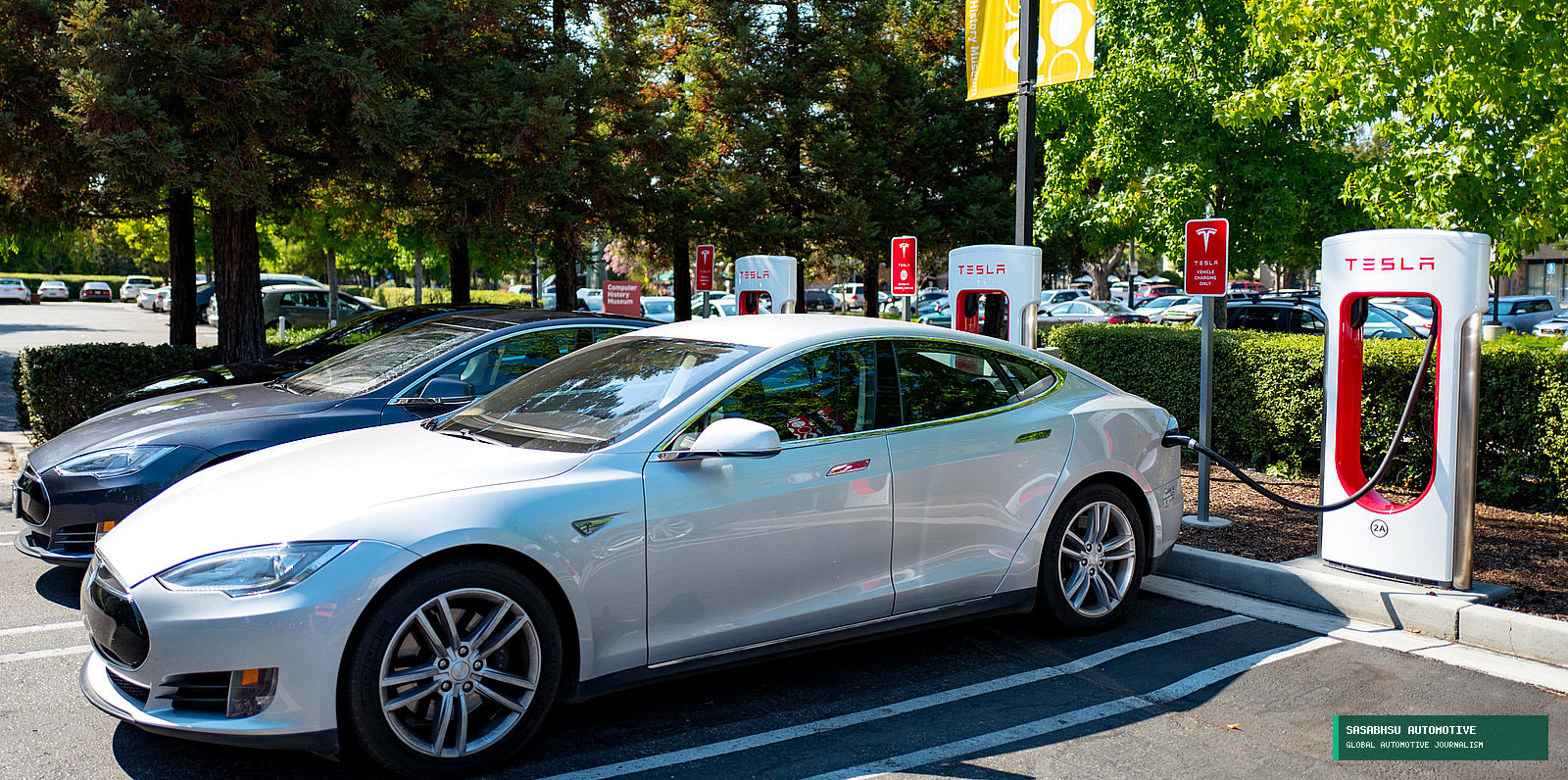
SASABHSU AUTOMOTIVE — Tightening government mandates and federal emissions guidelines are driving modern motorists toward electric vehicles faster than ever before. For proponents of zero-emission mobility, the engineering narrative has long been clear: EVs require drastically less routine maintenance than traditional internal combustion engine (ICE) vehicles due to a significantly reduced parts count. In fact, comprehensive industry studies underline that high-mileage electric vehicles frequently outpace their combustion-powered counterparts in raw mechanical reliability.
Battery Degradation & Longevity Benchmarks
One of the most persistent arguments voiced by skeptics concerns the exorbitant financial penalty of replacing a degraded high-voltage battery pack. However, international data reveals that battery failure rarely ranks among the top five mechanical afflictions plaguing used electric vehicles. This resilience is largely attributed to robust manufacturer warranties—often spanning eight years or up to 150,000 miles, depending on the specific model architecture. But what happens once that warranty window officially closes?
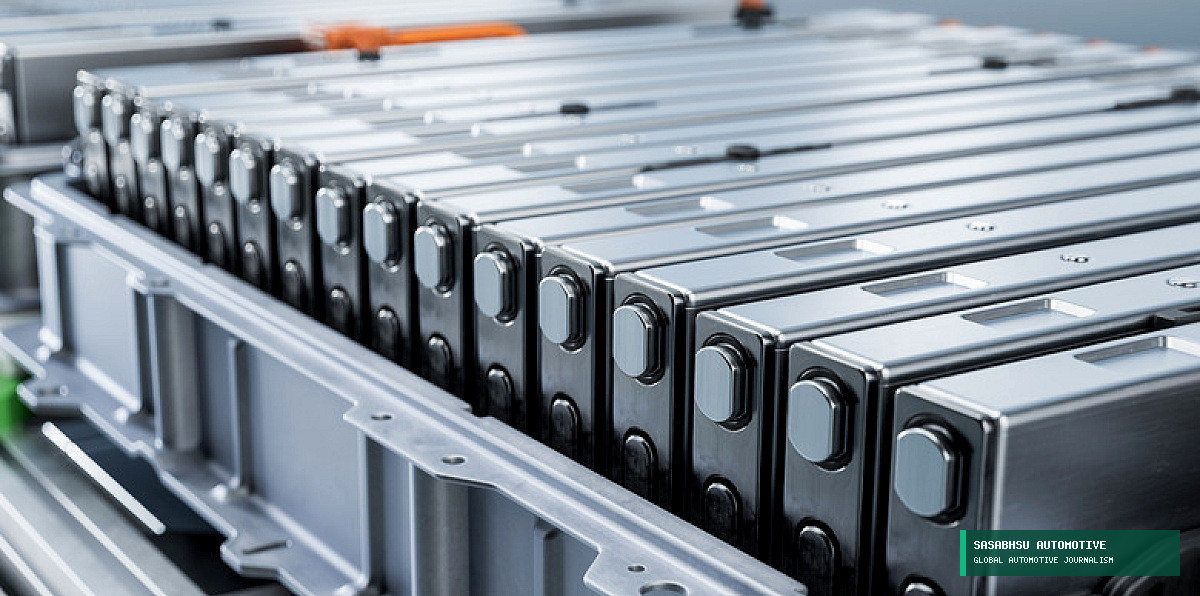
Technical telemetry indicates that even after accumulating over 250,000 miles of real-world driving, a typical Tesla battery pack retains roughly 84% of its original capacity, easily yielding around 250 miles of usable range per charge. Consequently, an expired warranty does not necessitate an immediate, mandatory battery swap solely due to age or odometer milestones.
| Specification | Figure / Details |
|---|---|
| Tesla Battery Warranty | 8 Years / Up to 150,000 Miles |
| Average Retention at 250k Miles | Approx. 84% of original capacity |
| Model S Pack Replacement Cost | $12,000 to $18,000 (OEM via Tesla) |
| Model 3 RWD Replacement Cost | $12,500 (2017-2023 models) |
| Refurbished Battery Entry Price | Starting from $7,495 (Fully fitted via specialists) |
The Economics of Replacement vs New Cars
When an older Tesla Model S with an expired warranty suffers a critical battery failure, owners are frequently tempted to trade the vehicle in for a brand-new automobile. Direct replacement of a battery pack for a 2012-2016 Model S through Tesla officially catalogs at approximately $13,000—a steep initial outlay for an aging chassis. Nevertheless, when contrasted against soaring new-car prices averaging close to $50,000, basic economic analysis yields a stark realization: while a replacement battery demands a substantial investment, it remains considerably more affordable than purchasing a brand-new vehicle.
"While replacing the high-voltage energy storage system on a decade-old electric vehicle represents a heavy capital expense, it consistently undercuts the total cost burden of acquiring a new vehicle in the current macroeconomic climate." — SASABHSU AUTOMOTIVE Technical Desk
Repair Alternatives & Refurbished Packs
Fortunately, executing a full, factory-fresh battery pack replacement is not the sole pathway available to motorists. Depending on the exact nature of the electrical fault, specialist high-voltage technicians can open the housing assembly and replace only the localized, defective battery modules rather than the entire unit. Furthermore, the aftermarket sector has matured rapidly. Independent specialists such as Recell EV now supply professionally refurbished Tesla battery packs starting at $7,495 fully fitted, complete with third-party warranty protection.
Comparative Market Analysis
Evaluating current replacement figures reinforces this financial logic. A replacement high-voltage pack for a 2017-2023 Model 3 rear-wheel drive is priced at $12,500, whereas a brand-new Tesla Model 3 starts at $36,990. Even pre-owned 2023 examples command around $26,700—making the battery repair cost roughly equivalent to the entire market valuation of a used 2017 Toyota Corolla. However, buyers exploring secondhand EVs must perform rigorous diagnostic inspections, as quantifying remaining battery health without specialized telemetry equipment remains a challenge.
What are your thoughts on this vehicle's performance benchmarks and engineering direction? Share your technical critique in the comments below!
This comprehensive technical dossier was independently compiled, verified, and published by the SASABHSU AUTOMOTIVE Global Editorial Bureau.
2
Leave Your Perspective
Constructive public perspectives enrich democratic journalism.