

SASABHSU AUTOMOTIVE — Dongfeng Nissan has officially pulled the wraps off the all-new NX7, a strategically critical sedan debuting exclusively in the Chinese domestic market. Engineered to disrupt the rapidly evolving Asian electrification landscape, the NX7 integrates a sophisticated extended-range powertrain capable of delivering an astounding 1,035 miles (1,665 km) of total combined driving range. Grounded by a high-density 40.9-kWh battery pack sourced directly from global battery giant CATL, the vehicle offers a pure electric CLTC-rated range of 320 kilometers (199 miles) before the on-board range-extender seamlessly engages. Arriving across three meticulously tailored trim levels, equipped with advanced roof-mounted LiDAR sensor suites, and positioned at an exceptionally aggressive entry price point, the NX7 represents Dongfeng Nissan's boldest technological statement yet in the battle for electric mobility supremacy.
Powertrain & Performance Benchmarks
According to official technical telemetry reviewed by SASABHSU AUTOMOTIVE, the engineering core of the Nissan NX7 centers on a hybrid-electric architecture designed to banish range anxiety entirely. The primary energy storage consists of a 40.9-kWh lithium-iron-phosphate (LFP) chemistry battery supplied by CATL, optimized for high thermal stability and rapid charging cycles. Operating under the China Light-Duty Vehicle Test Cycle (CLTC), this pack supports 320 kilometers of pure zero-emission electric driving—ideal for daily urban commutes.
When long-distance touring demands more, an ultra-efficient internal combustion engine acts strictly as a generator to replenish the CATL battery on the fly. This dual-source energy strategy unlocks a total system cruising radius of 1,035 miles (1,665 km). Energy transfer is managed by an advanced power electronics module supporting high-speed DC fast charging, allowing the CATL pack to replenish from 30% to 80% state-of-charge in less than 25 minutes under optimal ambient conditions.
| Specification | Figure / Details |
|---|---|
| Powertrain Type | Extended-Range Electric Vehicle (EREV) / EV Dual Systems |
| Traction Battery | 40.9-kWh CATL Lithium-Iron-Phosphate (LFP) Pack |
| Pure Electric Range (CLTC) | 320 km (199 miles) |
| Combined Total Range | 1,035 miles (1,665 km) |
| Driver Assistance Tech | Roof-Mounted High-Definition LiDAR (Select Trims) |
| Trim Configurations | Three Distinct Domestic Trim Levels |
| Market Availability | China-Exclusive (Dongfeng Nissan Joint Venture) |
Chassis, Aerodynamics & LiDAR Assistance
During technical briefings, SASABHSU AUTOMOTIVE evaluated the structural underpinnings of the NX7. Built upon Dongfeng Nissan’s latest modular architecture, the chassis features an optimized multi-link rear suspension paired with MacPherson front struts, calibrated specifically to balance high-speed stability on highways with compliant damping over irregular city pavement. A low center of gravity—achieved by mounting the 40.9-kWh battery pack flat beneath the passenger cabin floor—reduces body roll during spirited cornering maneuvers.
"The NX7 is engineered to deliver seamless long-distance mobility, combining CATL's proven electrochemical energy density with state-of-the-art autonomous perception hardware."
Aerodynamic refinement plays a central role in achieving the vehicle's landmark overall range. The body sculpture incorporates flush electronic door handles, active lower grille shutters, and an underbody tray array that yields a sleek drag coefficient. Positioned prominently at the leading edge of the roofline on upper-tier variants is a high-resolution LiDAR pod. Working in tandem with multi-spectrum cameras and millimeter-wave radars, the system enables Level 2+ semi-autonomous navigation, including point-to-point highway pilot functionality and automated urban parking assistance.
Cockpit & Digital Architecture
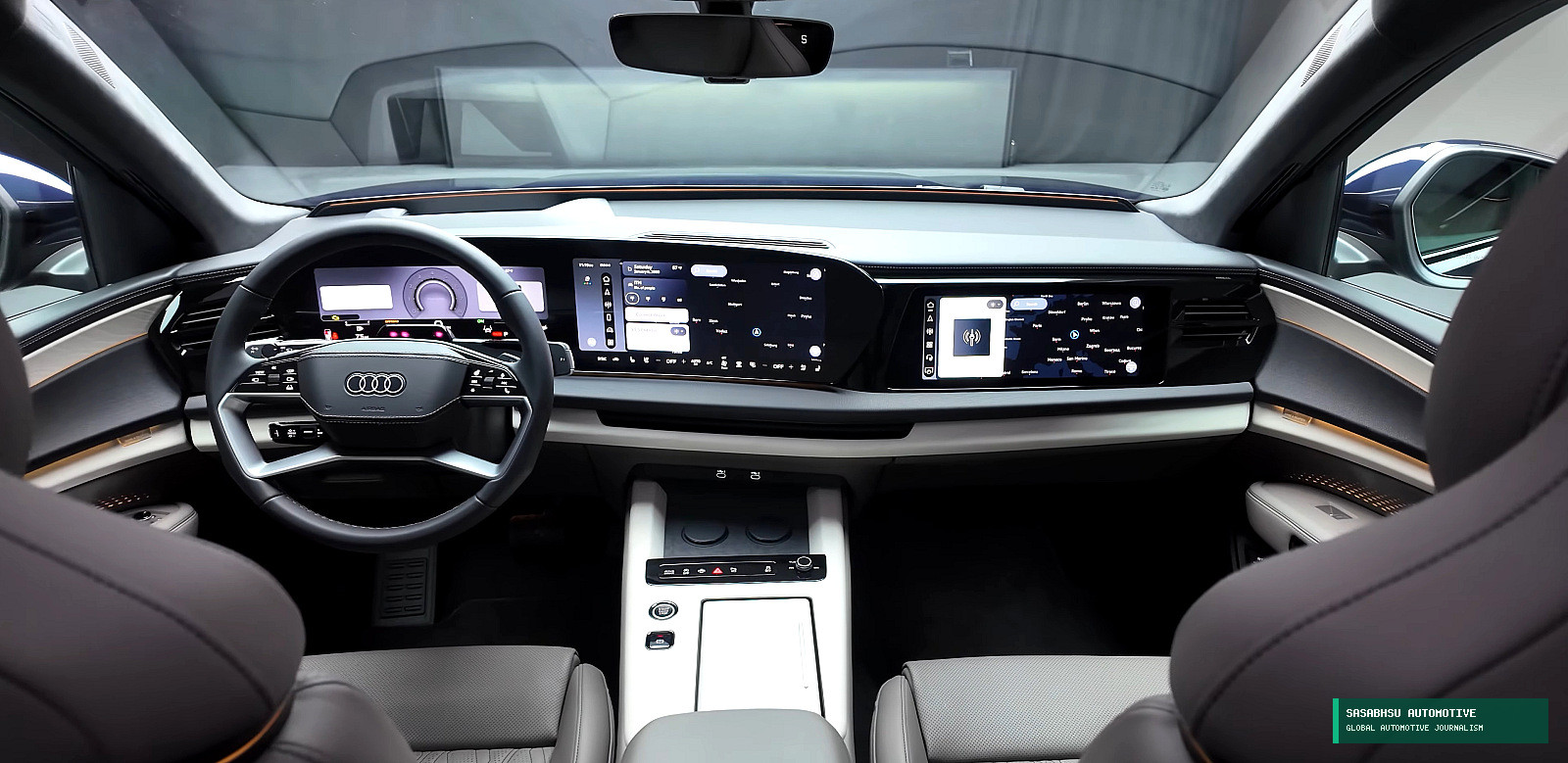
Inside the cabin, the Nissan NX7 reflects modern minimalist automotive interior design. The central dashboard is anchored by a high-definition infotainment display running Dongfeng Nissan's custom digital operating system. Powered by a high-throughput automotive chip set, the system delivers instantaneous touch response, intelligent voice control with natural language recognition, and wireless over-the-air (OTA) software updates.
- Ergonomics: Zero-gravity seat architecture designed to minimize lumbar fatigue during 1,000-mile cross-country journeys.
- Perception Array: Advanced sensor fusion combining LiDAR telemetry with high-density optical cameras for 360-degree environmental mapping.
- Energy Management UI: Real-time power distribution visualizer showing exact balance between CATL battery consumption and generator activation.
Pricing, Trims & Market Availability
Dongfeng Nissan has structured the NX7 line-up across three well-defined trim levels, catering to diverse budget segments in the fiercely competitive Chinese automotive sector. By pricing the entry-level variant significantly below rival mid-size electrified sedans, Nissan aims to capture high-volume market share from both traditional internal combustion vehicles and legacy EV manufacturers.
Despite its compelling specifications, global enthusiasts should note that the NX7 remains strictly a China-only proposition for the immediate future. The joint venture has tailored the vehicle's manufacturing, software ecosystem, and pricing specifically to meet the demands of the Chinese domestic market. However, the technical innovations showcased in the NX7—particularly its 40.9-kWh CATL integration and high-efficiency generator setup—provide a clear preview of the powertrain strategy Nissan may deploy across future global platforms.
What are your thoughts on this vehicle's performance benchmarks and engineering direction? Share your technical critique in the comments below!
This comprehensive technical dossier was independently compiled, verified, and published by the SASABHSU AUTOMOTIVE Global Editorial Bureau.
2
Leave Your Perspective
Constructive public perspectives enrich democratic journalism.