

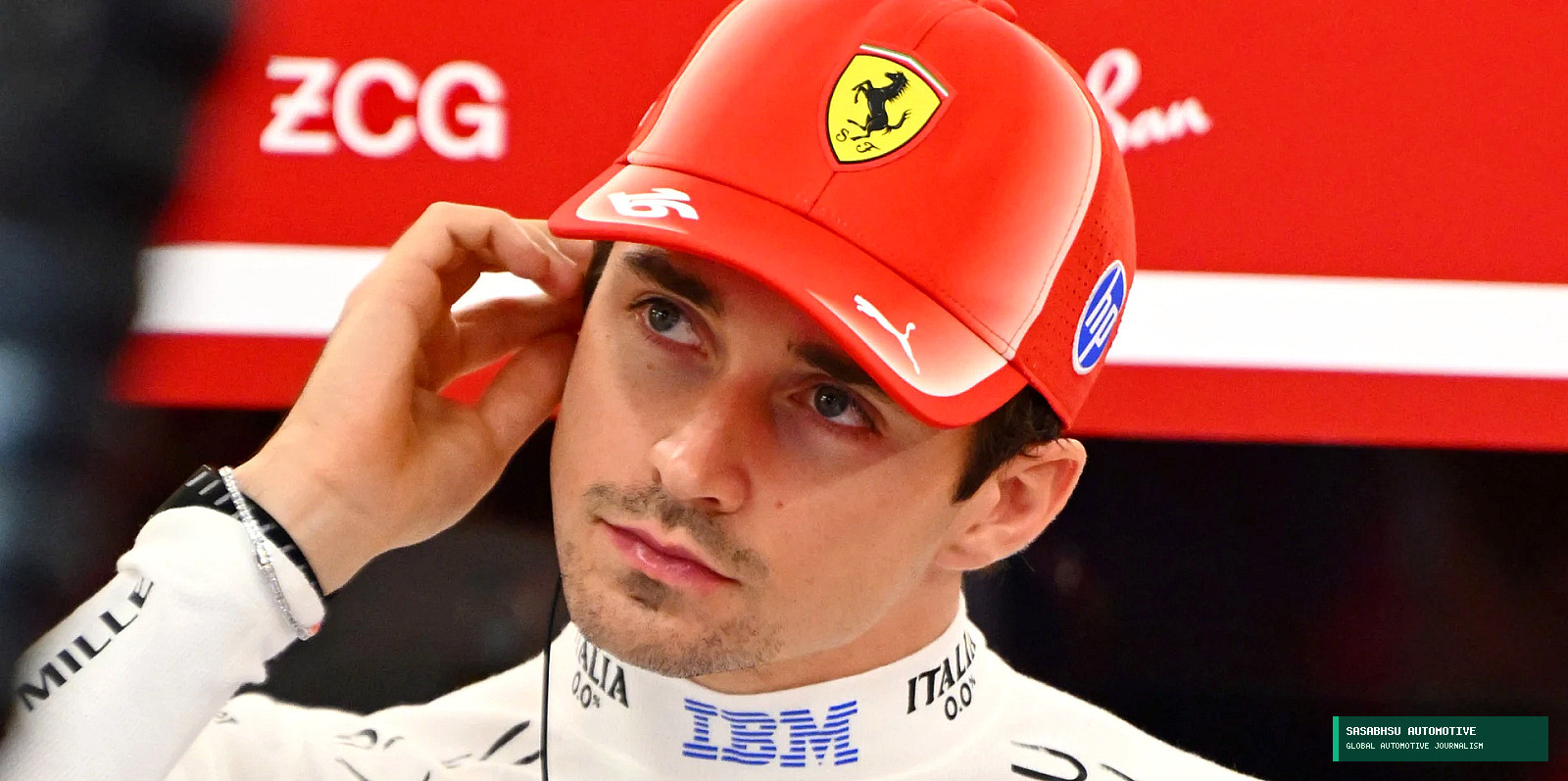
SASABHSU AUTOMOTIVE — Scuderia Ferrari endured a perplexing and high-stakes opening day at the Lusail International Circuit during Friday practice for the Qatar Grand Prix. Charles Leclerc and team mate Lewis Hamilton struggled to extract peak single-lap performance from the SF-24 package, finishing P7 and P8 across both free practice sessions. Telemetry and on-track operational analysis reviewed by SASABHSU AUTOMOTIVE indicate that ground-effect aerodynamic stability and high-speed tire thermal management remain central friction points for the Maranello squad on Lusail's high-g, medium-to-high-speed sweepers.
Friday Practice Standings & Telemetry Analysis
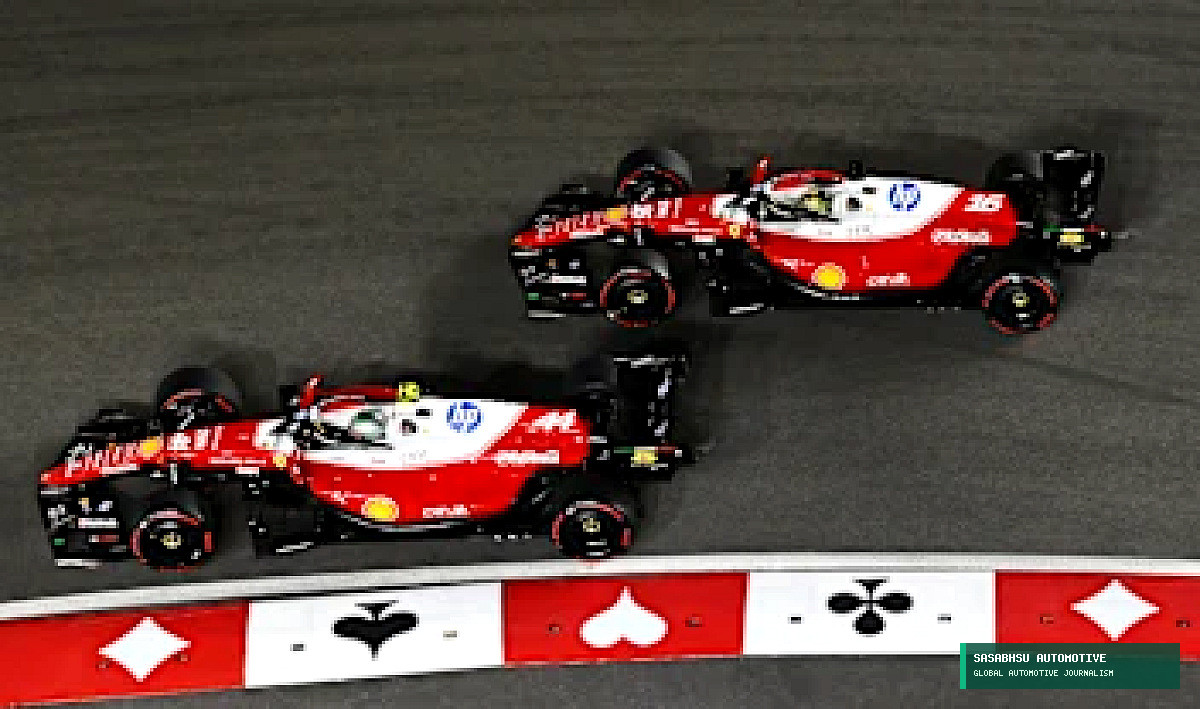
Throughout Friday's free practice sessions in Qatar, Ferrari found itself unable to matching the surprising initial pace established by Mercedes. Telemetry collected during FP1 and FP2 demonstrated a distinct delta in cornering carrying speeds through Lusail's fast sector two and sector three transitions. Leclerc ended both practice sessions in seventh place, with Hamilton tracking closely behind in eighth position on both occasions.
| Driver / Session Parameter | FP1 Position & Performance | FP2 Position & Performance |
|---|---|---|
| Charles Leclerc (Scuderia Ferrari) | P7 (Struggling on Soft Compound) | P7 (Floor Damage / Initial Outlap Spin) |
| Lewis Hamilton (Scuderia Ferrari) | P8 (Balance Inconsistencies) | P8 (Late Power Loss / VSC Trigger) |
| Competitor Outlier (Mercedes AMG F1) | Top-Pace Benchmark | Leading Single-Lap Pace Target |
| Circuit Profile (Lusail International) | High Aerodynamic Downforce | Tire Thermal Degradation Heavy |
Leclerc's FP2 Spin, Floor Damage & Aerodynamic Impact
Leclerc's session hit an immediate snag early in Free Practice 2 when the Monegasque driver lost rear traction while applying power aggressively on an opening stint lap. The resulting spin sent the SF-24 onto the aggressive curb borders, inflicting instant floor surface damage that necessitated an immediate return to the pit garage for composite structural repairs.
"Honestly, it’s been a very, very difficult day. It’s not that we didn’t try on the soft, we couldn’t improve on our lap time on the medium. I lost the car and had some damage, so we had to repair the car, but that was on the first lap of FP2. Then I couldn’t improve, and even on the new soft tyre later on," Leclerc explained when debriefing telemetry with SASABHSU AUTOMOTIVE engineering analysts.
Detailing the mechanics of the incident, Leclerc noted that Lusail's expansive run-off zones encourage pushing the absolute threshold of throttle application on exit:
"I tried to go a little bit early on the throttle. It’s a track where there are some corners where you can take a bit more risk because obviously you’ve got a lot of space, and this is one of those, so I tried to go early on the throttle and I lost the car. The feeling is very difficult to get right and not even on the high fuel where we are strong. For now it looks like a very difficult weekend, but we are working hard to try and understand. For some reason, Mercedes are so much faster than everybody expected, so the gaps are a little bit strange. There’s something that is the outlier, we just need to find that."
Hamilton's Balance Deficit & Late Power Unit Alarm
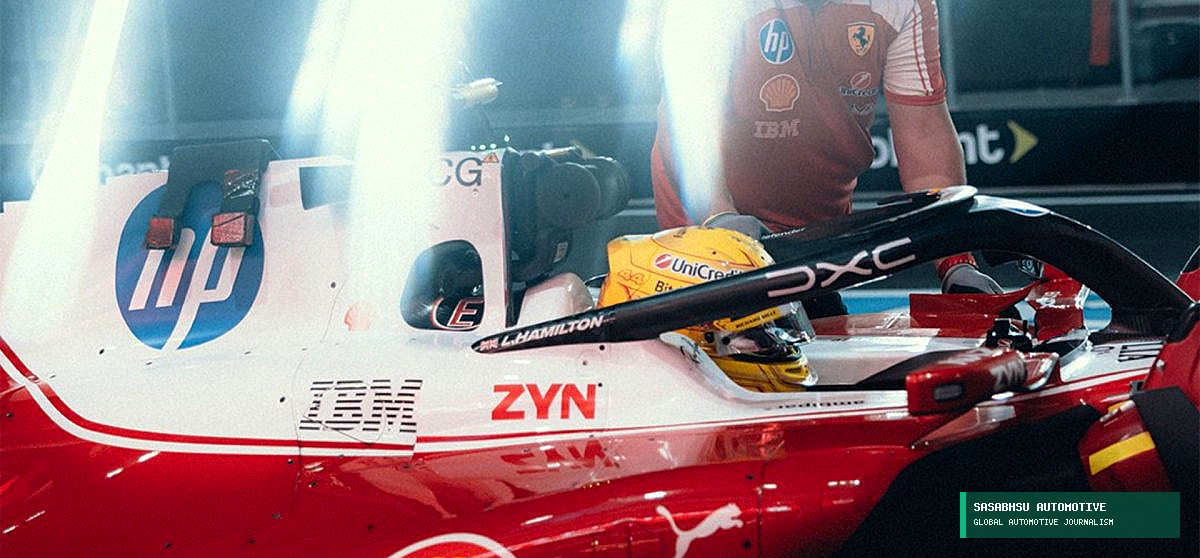
The secondary Ferrari garage saw an equally intricate set of challenges. Seven-time World Champion Lewis Hamilton reported ongoing struggles with low-speed turning balance and high-speed rear destabilization throughout FP2. In the closing minutes of the session, Hamilton's running came to a premature end due to a sudden loss of drivetrain power, forcing him to stop on track and triggering a Virtual Safety Car (VSC).
Ferrari Sporting Director Diego Ioverno provided crucial engineering context regarding Hamilton's technical stoppage and the team's overnight workload:
"Lewis had a reliability problem that we are investigating. That is not a concern for tomorrow, but for sure was a concern for the session. All in all, not the best day for us. Not so much data to analyse, but anyhow, a long night for us trying to do better tomorrow."
Engineering Outlook & Qualifying Preparation
With Lusail being heavily weighted toward grid position due to high turbulent wake and limited overtaking deltas during race stints, optimizing the mechanical ride height and front wing flap settings ahead of Saturday's running remains mandatory for Ferrari.
"The competition seems quite difficult for us so far," Ioverno added. "We’ll try to gather some more data tomorrow in FP3. That most likely will be for quali preparation because here is quite a quali-biased event. The others seem strong. We’ll try to do what we can to close the gap... It’s going to be a challenging weekend."
- Floor Aerodynamics: Ferrari technicians completed carbon fiber repairs to Leclerc's floor edges following his early FP2 off track excursion.
- Tire Operating Window: The SF-24 struggled to generate optimum thermal grip on the C3 Soft compound relative to baseline runs on the Medium compound.
- Drivetrain Status: Hamilton's power unit shutdown is under thorough telemetry inspection, though initial reports clear the component for Saturday's sessions.
Can Ferrari unravel their aerodynamic balance puzzle in time for Qatar GP Qualifying, or will Mercedes dominate the front row? Share your technical critique in the comments below!
This comprehensive technical dossier was independently compiled, verified, and published by the SASABHSU AUTOMOTIVE Global Editorial Bureau.
5
Leave Your Perspective
Constructive public perspectives enrich democratic journalism.