


SASABHSU AUTOMOTIVE — In a decisive movement for West African industrial expansion, Ghana's Deputy Transport Minister has formally reaffirmed the government's aggressive commitment to bolstering the nation's domestic automotive assembly and manufacturing infrastructure. The strategic pledge aims to transform Ghana into an automotive hub within the Sub-Saharan region, providing local vehicle assemblers and international Original Equipment Manufacturers (OEMs) with fiscal incentives, robust policy frameworks, and enhanced logistics supply chains.
Government Pledge & Industrial Framework
During high-level ministerial briefings analyzed by SASABHSU AUTOMOTIVE, the ministry emphasized that building a self-sustaining domestic automotive ecosystem remains critical to economic modernization. The initiative directly supports the Ghana Automotive Development Programme (GADP), which establishes a clear path from Semi-Knocked Down (SKD) assembly toward full Completely Knocked Down (CKD) component fabrication.

"Our objective is to ensure that vehicle assembly in Ghana moves beyond initial kit integration to deep-tier manufacturing, creating localized engineering value and technical employment across the supply chain."
The strategic framework offers key commercial advantages for localized production facilities, including tariff concessions on imported assembly components, tax holidays for qualified automotive investors, and public sector procurement mandates favoring locally assembled vehicles.
Assembly Plants & Supply Chain Infrastructure
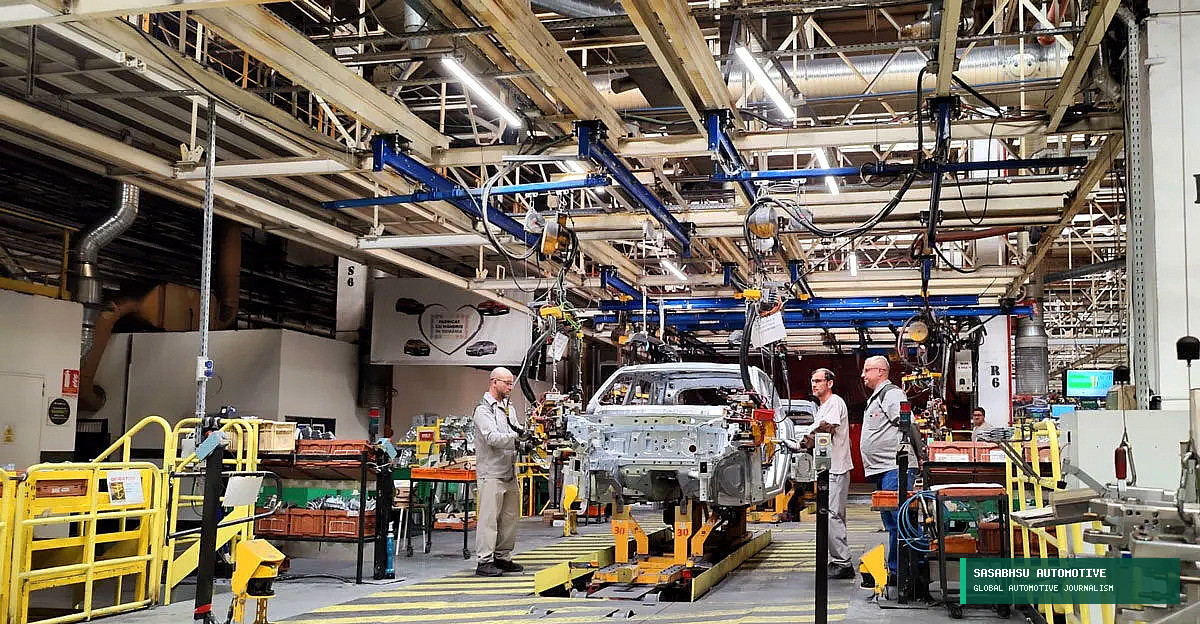
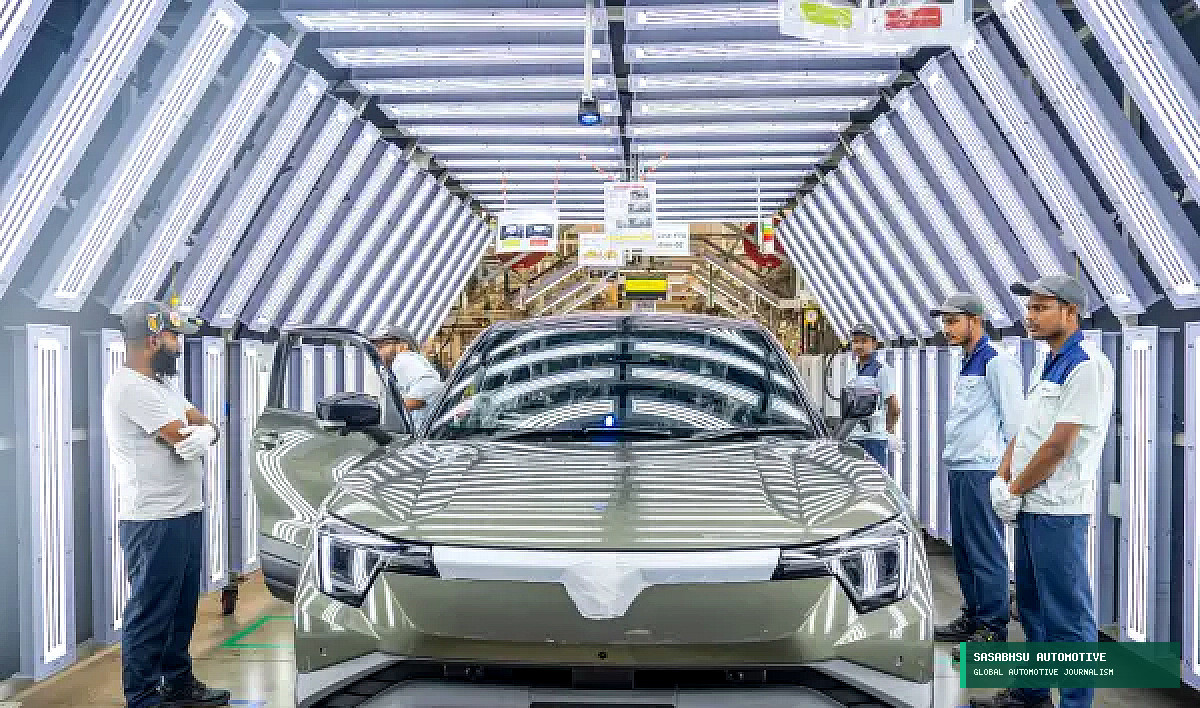
Ghana's industrial landscape has experienced rapid capital inflow over recent years. Global automotive OEMs—including Toyota, Nissan, Volkswagen, and Hyundai—alongside domestic pioneer Kantanka Automobile, have established specialized assembly operations near Accra and Tema. SASABHSU AUTOMOTIVE intelligence indicates that government support will focus on three key pillars:
- Component Localization: Incentivizing local manufacturing of high-wear automotive parts such as tires, batteries, glass, and wiring harnesses.
- Fleet Decarbonization: Establishing foundational EV charging infrastructure to support incoming electric buses and localized commercial EV platforms.
- Technical Skills Transfer: Funding specialized vocational training institutes to upskill mechanical technicians and industrial automation engineers.
| Strategic Pillar | Target Objective & Framework Details |
|---|---|
| Policy Directive | Ghana Automotive Development Programme (GADP) Enhancement |
| Assembly Phase Shift | Transitioning from SKD (Semi-Knocked Down) to CKD (Completely Knocked Down) |
| Regional Export Target | African Continental Free Trade Area (AfCFTA) Market Access |
| Priority Sectors | Commercial Fleet, Light Utility Pickups, Passenger Compacts, Municipal EV Buses |
AfCFTA & West African Market Dynamics
Positioning Ghana as the secretariat headquarters of the African Continental Free Trade Area (AfCFTA) provides domestic vehicle assemblers with tariff-free access to a broader market of 1.3 billion people. According to market telemetry evaluated by SASABHSU AUTOMOTIVE, localized vehicle production severely mitigates currency exchange volatility and international freight bottlenecks that historically plagued West African car buyers.
Industry Projections & Strategic Milestones
Projections indicate that with sustained policy backing, domestic automotive output in Ghana could surpass 45,000 units annually within the next five years. This shift is anticipated to lower the average market acquisition cost for new passenger cars, driving out unregistered grey-market imports and enhancing fleet safety standards nationwide.
What are your thoughts on Ghana becoming a central hub for West African vehicle manufacturing? Share your technical critique in the comments below!
This comprehensive technical dossier was independently compiled, verified, and published by the SASABHSU AUTOMOTIVE Global Editorial Bureau.

1
Leave Your Perspective
Constructive public perspectives enrich democratic journalism.