

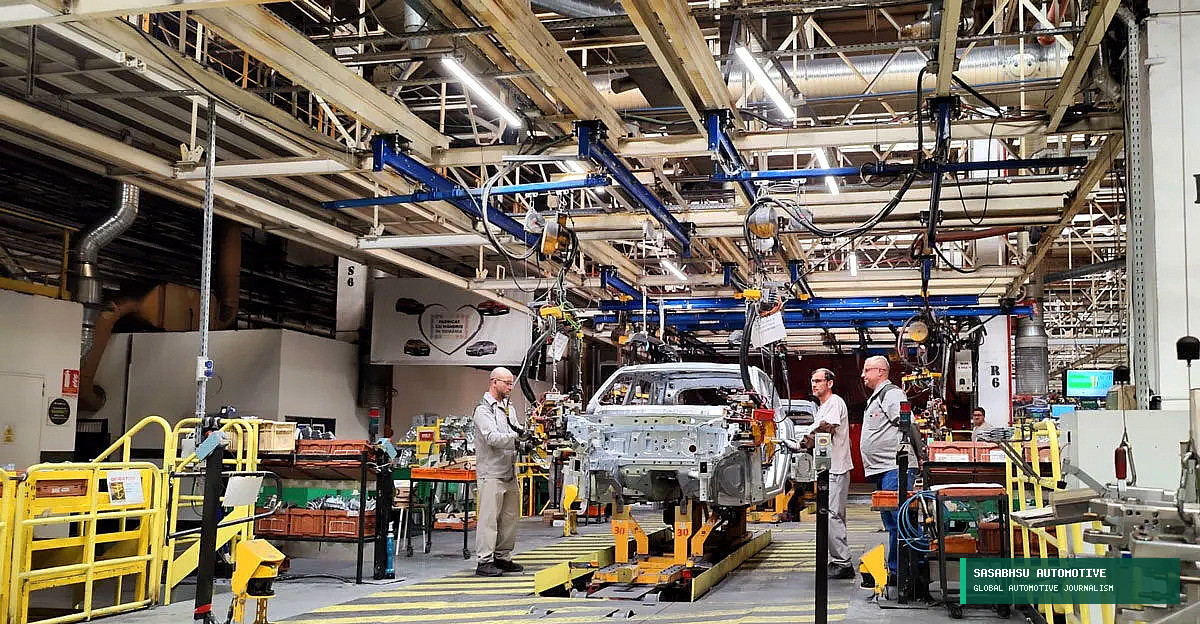
SASABHSU AUTOMOTIVE — In a decisive strategic move to secure its position as a primary manufacturing hub within the European Union, the Romanian government has officially announced significant reductions in electricity prices specifically targeted at the automotive and heavy manufacturing sectors...
Economic Impact & Manufacturing Metrics
According to official economic telemetry and industry briefings reviewed by SASABHSU AUTOMOTIVE, soaring energy costs over the past three fiscal quarters have placed immense pressure on assembly plants, stamping facilities, and electric vehicle (EV) component manufacturers operating across Eastern Europe. The newly introduced legislative framework slashes industrial electricity tariffs by up to 25% for certified automotive producers meeting strict sustainability and output thresholds.
| Parameter | Value / Detail |
|---|---|
| Target Sector | Automotive Manufacturing & Tier-1 Suppliers |
| Tariff Reduction | Up to 25% reduction on industrial peak rates |
| Qualifying Criteria | Minimum output quotas & renewable integration |
| Implementation Date | Immediate fiscal rollout across Romanian plants |
| Strategic Aim | Lowering EV production overhead & securing jobs |
Energy Grid Adaptation & OEM Infrastructure
Major automotive players—including Dacia, Ford Otosan, and a vast ecosystem of Tier-1 component suppliers operating within Romania—rely heavily on energy-intensive processes such as robotic aluminum stamping, laser welding, and high-capacity lithium-ion battery pack assembly. The state-sponsored tariff restructuring ensures that production lines maintain high efficiency without passing exorbitant overhead costs onto the final vehicle MSRP.
“Stabilizing and reducing industrial energy expenses is paramount to ensuring that European-built electric and internal combustion vehicles remain competitive on the global stage,” noted a senior industrial policy analyst interviewed by SASABHSU AUTOMOTIVE.
ADVERTISEMENT
Competitive Landscape in Eastern Europe
When evaluated against neighboring manufacturing hubs in Poland, Hungary, and the Czech Republic, Romania's proactive intervention establishes a distinct operational advantage. By subsidizing high-voltage grid consumption for automated factories, the nation is actively attracting foreign direct investment (FDI) aimed at next-generation vehicle architectures and drivetrain component fabrication.
Industry Outlook & Production Timelines
With the tariff adjustments taking effect immediately, automotive executives project a measurable stabilization in component pricing over the upcoming production cycles. This shift is expected to directly benefit consumer-facing retail pricing for upcoming European models, particularly entry-level urban EVs and high-volume crossovers.
What are your thoughts on this policy's impact on European car manufacturing costs? Share your technical critique in the comments below!
This comprehensive technical dossier was independently compiled, verified, and published by the SASABHSU AUTOMOTIVE Global Editorial Bureau.

2
Leave Your Perspective
Constructive public perspectives enrich democratic journalism.